
Las Vegas highways can suddenly slow down, especially during rush hour, construction, major events, and bad weather. Busy routes such as Interstate 15, U.S. 95, Interstate 11, and the Las Vegas Beltway often have changing traffic patterns that require drivers to react quickly. When vehicles slow or stop unexpectedly, rear-end and multi-vehicle collisions can occur.
These accidents can happen even at normal highway speeds. Heavy congestion, merging vehicles, limited visibility, and changing road conditions can leave little time to react. A sudden slowdown may involve several vehicles, making it difficult to understand exactly how the collision happened.
After an accident, drivers may face injuries, vehicle repairs, medical expenses, and questions about insurance coverage. When multiple vehicles are involved, determining what happened and who may share responsibility can become more complicated.
An accident lawyer at Heidari Law Group in Las Vegas can review the circumstances of a collision, explain your legal options, and help you understand the next steps based on your situation.
Attorney Reconstruction of a Las Vegas Highway Slowdown Crash
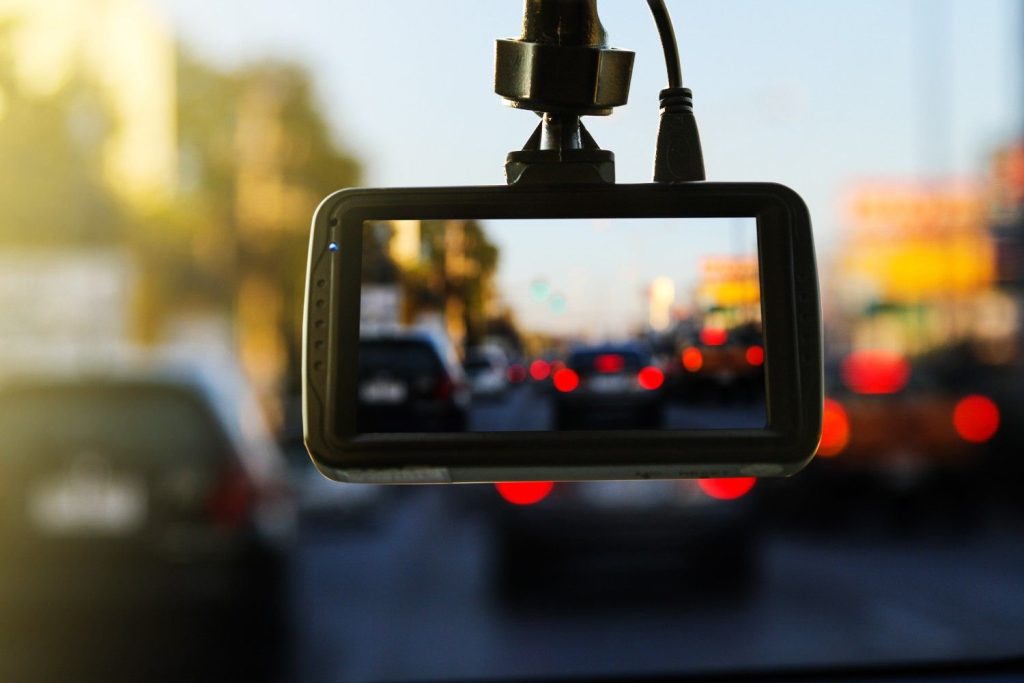
Reconstructing a highway slowdown crash begins with one question: did each driver have enough time and distance to recognize the danger, react, and stop? Answering this requires more than photographs of damaged vehicles. Attorneys may examine where traffic slowed, whether brake lights were visible, and how weather, darkness, or construction affected visibility. This can help identify the first collision and any later impacts.
Investigators may examine:
- Lane measurements, tire marks, and debris.
- Vehicle positions and road slopes.
- Dashcam footage, towing records, and police diagrams.
If vehicles were moved for safety, photographs and other records may help establish their original positions.
Timing evidence can help explain how the slowdown developed. Traffic cameras, electronic signs, emergency dispatch records, construction schedules, and Nevada Department of Transportation reports may show when lanes narrowed or traffic stopped. Nearby businesses may also have useful video, but recordings can be overwritten quickly. Attorneys can request available footage and public records before they disappear.
Vehicle data may provide additional information. Depending on the vehicle and collision, an event data recorder may contain details about speed, braking, acceleration, seat belts, or changes in velocity. Access may require consent or legal authorization, and a single recording rarely explains the entire crash.
Weather records can help establish conditions at the time of the accident. Official weather stations, radar reports, roadway sensors, and maintenance logs may document rain, wind, visibility, or standing water. Because Las Vegas weather can vary across short distances, nearby observations may be more accurate than general forecasts. Investigators may also examine sun glare, drainage, road markings, lighting, and construction conditions.
The Nevada Department of Transportation’s Travel Information resources provide updates on road conditions, traffic congestion, and weather-related travel concerns. These resources can help drivers understand changing highway conditions in Las Vegas. Road and weather information may also provide useful background when examining whether poor visibility or hazardous conditions contributed to a collision.
Can a Lawyer Establish the Order of Impacts in Sudden Traffic?
In a chain-reaction collision, the order of impacts can affect how responsibility is determined. A vehicle may stop safely, then be struck from behind and pushed into another vehicle. In other cases, a driver may hit the vehicle ahead before another driver strikes them from behind. Because both situations can leave similar damage, investigators often need several sources of evidence.
A Las Vegas lawyer may create a timeline of each impact. Drivers and passengers can describe whether they felt one or several jolts, where sounds came from, and whether their vehicle was moving or stopped. Witness statements are most useful when collected promptly and compared with physical evidence. Memories can change after a stressful event, and people may remember the same crash differently.
Vehicle damage can provide clues but does not always establish the order of impacts. Investigators may examine:
- Bumper damage, crush patterns, and paint transfer.
- Broken lights, bumper heights, and undercarriage marks.
- Repair photographs and vehicle inspection measurements.
- The direction of force during each collision.
Electronic evidence may help establish the timeline. Event data recorders can contain limited information about braking, speed changes, acceleration, or seat belts. Dashcams may capture brake lights, lane changes, sounds, and vehicle movement during separate impacts. Check timestamps because device clocks can be inaccurate.
According to the National Highway Traffic Safety Administration (NHTSA), event data recorders may capture vehicle speed, braking activity, and other information shortly before, during, or after certain crashes. Investigators can compare this data with vehicle damage and witness statements to better understand how a collision occurred. However, the information recorded varies by vehicle and may not explain every impact.
Traffic cameras, 911 records, towing documents, and original photographs may offer additional details. Since some records are quickly overwritten, early preservation requests are important.
Roadway evidence can also help identify where impacts occurred. Tire marks, debris, fluid trails, lane patterns, road slopes, and final vehicle positions may show how the collision developed. Investigators may also consider merging traffic, construction, lighting, weather, and visibility on Las Vegas highways. Investigators must interpret final vehicle positions carefully because drivers may steer or move their vehicles after impact.
Medical records sometimes provide supporting information. Seat-belt marks, seating positions, and descriptions of body movement may help evaluate impact directions. However, injuries can have multiple causes, and medical records alone cannot establish the collision sequence.
How Attorneys Use Braking Data to Challenge Slowdown Crash Accounts
When drivers give different accounts of a Las Vegas highway crash, braking data can help explain what happened. One driver may believe traffic stopped suddenly, while vehicle records show traffic slowed over several seconds. Another may claim to have braked early, but the data may show braking occurred just before impact.
These differences do not automatically prove fault. They help attorneys compare driver statements with vehicle records and road conditions.
A vehicle’s event data recorder (EDR) may store information from the moments surrounding a crash, including:
- Vehicle speed and braking activity.
- Accelerator use and speed changes.
- Anti-lock braking and stability control.
Federal regulations under 49 C.F.R. Part 563 establish standards for collecting, storing, and retrieving crash information from covered vehicle event data recorders. These requirements help make certain vehicle data available for crash investigations. However, not every vehicle records the same information, so investigators must consider braking data alongside other evidence.
Attorneys may also review airbag systems, onboard cameras, driver-assistance features, and fleet records. These sources can show speed, sudden braking, or separate impacts. However, timestamps may be inaccurate, and some records may be overwritten.
To better understand the collision, attorneys may preserve original files and review how the data was collected. A crash reconstruction professional may also compare electronic records with vehicle damage and other evidence. This is especially important in chain-reaction crashes because an EDR may record the strongest impact rather than the first collision.
Local road conditions also matter. On Interstate 15 near the Resort Corridor, construction, merging vehicles, major events, and nighttime traffic can affect reaction time. On U.S. 95, Interstate 11, and the Las Vegas Beltway, curves, ramps, lane changes, and road slopes may affect stopping distance.
Which Auto Policies Will a Lawyer Review After a Sudden Slowdown Crash?
After a sudden slowdown crash, more than one insurance policy may apply. An attorney may review available coverage, deductibles, exclusions, notice requirements, and deadlines. This usually includes the declarations page, policy documents, and endorsements because the declarations page alone may not explain every coverage term.
In a Las Vegas crash involving multiple vehicles, a rideshare driver, or someone working during the collision, you may need to notify several insurers.
The at-fault driver’s liability insurance is often the starting point. Under NRS 485.185, Nevada generally requires minimum coverage of:
- $25,000 for bodily injury to one person.
- $50,000 for bodily injury per accident.
- $20,000 for property damage.
These are minimum insurance requirements, not estimates of a claim’s value. Attorneys may also examine whether a vehicle owner, employer, or another insured has additional coverage. Commercial, fleet, rental, and umbrella policies may require separate review.
An injured person’s own insurance may provide coverage even when another driver appears responsible. Uninsured and underinsured motorist coverage may apply when the responsible driver has no insurance or insufficient bodily injury coverage.
Medical payments coverage, or MedPay, may help pay covered medical expenses regardless of fault, up to the purchased limit. Nevada insurers must offer at least $1,000 in MedPay coverage, but policyholders may reject it. Health insurance may also cover medical bills, subject to deductibles, network requirements, reimbursement rights, or liens.
Reviewing these policies can help identify available benefits and determine whether an insurer may seek repayment from a settlement.
Property damage coverage addresses different losses. Collision insurance may pay for repairs or a vehicle’s actual cash value, minus the deductible. Rental reimbursement and towing benefits depend on the policy.
Gap coverage may help cover part of an outstanding loan balance if a financed vehicle is declared a total loss, but standard auto coverage does not include it. Attorneys may review repair estimates, vehicle valuations, loss-of-use provisions, and subrogation documents to identify applicable coverage.
Special-use insurance can also matter in Las Vegas. Rideshare or delivery coverage may change depending on whether the driver was waiting for a request, traveling to a pickup, or completing a trip.
Employer insurance may apply when someone was working within the scope of their employment. Non-owner policies, borrowed vehicles, and permissive-use provisions may also affect which insurer provides coverage.
An accident lawyer at Heidari Law Group in Las Vegas can review applicable insurance policies and notice requirements.
Frequently Asked Questions
Can dashcam footage help determine fault in a highway accident?
Yes. Dashcam footage may show traffic conditions, sudden braking, lane changes, and the order of collisions. Attorneys can compare the footage with witness statements, vehicle damage, and other evidence to better understand what happened.
What happens if multiple vehicles are involved in a sudden slowdown crash?
A chain-reaction crash may involve several impacts, making it harder to determine responsibility. Investigators may examine vehicle damage, dashcam footage, braking records, and witness accounts to establish the sequence of collisions.
What insurance coverage may apply after a sudden slowdown accident?
Depending on the circumstances, coverage may include liability insurance, uninsured or underinsured motorist coverage, medical payments coverage, or collision insurance. Commercial or rideshare insurance may also apply when a driver was working at the time.
Can bad weather contribute to a sudden traffic slowdown accident in Las Vegas?
Yes. Heavy rain, dust, standing water, and sun glare can reduce visibility or increase stopping distances. Investigators may review weather reports, road conditions, and driver actions to understand whether these factors contributed to the collision.

Free Case Evaluation 24/7
Contact Us
CASE RESULTS
$500,000
Rear-End Accidents
$500,000
Sideswipe Accidents
$1.1 Million
Head-On Accidents
$2.0 Million
T-Bone Accidents
$1.0 Million
Single-Vehicle Accidents
Case Results
$3.3 Million
Motorcycle Accident
$2.0 Million
Car accident
$1.4 Million
Brain Injury
$1.1 Million
Motor Vehicle Accident
Related ArticlesHeidari Law Group
- Accidents Caused by Faded or Incorrect Lane Markings in Las Vegas
- Highway Construction-Zone Car Accidents in Las Vegas
- Las Vegas Car Accidents Caused by Missing or Obstructed Road Signs
- Who Is Responsible When a Driver Backs Into Traffic in Las Vegas
- Accidents Caused by Malfunctioning Traffic Signals in Las Vegas
- Las Vegas Accidents Caused by Drivers Crossing Solid Lane Lines
- Who Is Liable in a Double Left-Turn Lane Accident in Las Vegas
- Accidents Caused by Drivers Following Too Closely in Las Vegas