
Barstow Accident Attorney
Have you recently been injured in an accident? Contact a qualified accident and injury attorney in Barstow, CA at Heidari Law Group.
$500,000
Premises Liability
$1.4 Million
Brain Injury
$3.3 Million
Motorcycle Accident
$2.0 Million
Car accident
$1.0 Million
Ride Share Accident
$1.1 Million
Motor Vehicle Accident
$110,000
Truck Accident
$500,000
Trip and Fall Accident
$1.0 Million
Medical Malpractice
$250,000
Airline Accident
Case Results
$3.3 Million
Motorcycle Accident
$2.0 Million
Car accident
$1.4 Million
Brain Injury
$1.1 Million
Motor Vehicle Accident
Accident Lawyers in Barstow
Accidents are unpredictable and can occur in an instant, often when least expected. What might appear to be a minor incident at first can quickly escalate into a serious issue, impacting not only the individuals involved but also their families and communities.
Why Do Small Accidents Lead to Major Consequences?
Even a minor accident can have significant consequences due to delayed reactions, hidden injuries, or underlying medical issues that are not immediately noticeable. For instance, a slight bump in a fender-bender might initially seem trivial, but it could later result in whiplash or other musculoskeletal problems. Small incidents like these can lead to lingering pain, costly medical bills, and even prolonged recovery periods.
Steps to Take After a Minor Accident
If you experience an accident, even a seemingly minor one, there are important steps you should follow to protect yourself:
Contact Your Insurance Company: Reporting incidents promptly can help prevent coverage issues later.
Document the Scene: Take photos and gather information from all parties involved.
Seek Medical Help: Always consult a healthcare professional to rule out hidden injuries.
Been in a car crash recently? You need to talk to a Barstow car accident attorney; depending on the severity, a personal injury lawyer might also get involved. Working with insurance companies, other drivers, property owners, and repair shops can be overwhelming; let Heidari Law Group help.
Car Accident Law
Determining legal responsibility in accident or injury cases can be complex, with multiple factors to consider. In many cases, legal responsibility isn’t as straightforward as it may seem. Even if you weren’t directly involved, you might still be held liable. You could bear legal responsibility in a car accident—even if you weren’t the driver.
Who is Legally Responsible in an Accident?
In personal injury and accident law, determining liability often involves examining the actions of everyone involved. In some situations, you may be liable either through indirect involvement or as the vehicle owner. Did you know that certain states hold car owners accountable for accidents, even if someone else was driving their vehicle at the time?
Can I Be Held Liable if I’m Not the Driver in an Accident?
Yes, it’s possible to be held liable even if you weren’t behind the wheel. If you allow someone with a history of reckless driving to operate your car, you could be held responsible for any accidents they cause. This principle, known as “negligent entrustment,” means that you may face legal consequences if you knowingly allow someone unfit to drive to use your vehicle.
What Factors Determine Legal Responsibility for an Accident?
Courts typically assess several factors when determining liability, such as:
- Relationship to the driver: Was the driver a friend, family member, or employee?
- Driver’s history: Did the driver have a history of unsafe driving?
- Circumstances of the accident: Where, when, and how did the accident occur?
Each of these elements can significantly impact who is ultimately held responsible.
How Can I Protect Myself?
Understanding liability laws and taking preventive measures can help you avoid unexpected legal consequences. Consider verifying the driving history of anyone you lend your car to, keeping clear records of vehicle maintenance, and, if necessary, seeking legal advice on personal liability.
When a driver fails to exercise reasonable care or caution, they are often considered at fault for any resulting accidents. Negligent behavior on the road, such as speeding, running red lights, or driving while distracted, can lead to serious consequences. But did you know that, in some cases, you might still be held liable for an accident even if you weren’t the one driving the vehicle?
Understanding Liability in Car Accidents
Liability in car accidents often extends beyond the driver. For example, if you knowingly allowed someone to drive your car who was unlicensed, intoxicated, or otherwise unfit to drive, you may be held legally responsible for any accidents they cause. This concept, known as “negligent entrustment,” places responsibility on the vehicle owner for entrusting their car to an unqualified driver.
Can You Be Held Liable If You Weren’t Driving?
Yes, there are situations where you could be liable even if you were not the driver at the time of the accident. If the person driving your vehicle was acting on your behalf, such as an employee or a family member running an errand for you, you could be held responsible under what’s known as “vicarious liability.” According to legal precedents, vicarious liability extends the fault to the vehicle owner in certain scenarios, meaning you might face legal consequences due to someone else’s actions behind the wheel.
When an employee is involved in an accident while driving a company vehicle during working hours, the employer may be held legally responsible. This responsibility arises from a legal doctrine known as vicarious liability, or imputed negligence, under which an employer can be held liable for an employee’s actions in certain situations.
Factors That Determine Employer Responsibility
Several factors can affect whether an employer will be held liable for an employee’s car accident. If the employee was acting within the “scope of employment,” meaning they were performing duties directly related to their job, the employer is more likely to be held accountable. If the employee used the company car for personal reasons or engaged in activities outside their job duties, the employer might not be responsible.
Protecting Employers and Employees
Employers concerned about potential liability can take preventive measures, such as implementing driver safety programs and requiring employees to adhere strictly to job-related driving tasks. Many companies also mandate specific insurance coverage for employees who drive as part of their roles, adding an extra layer of protection for both the business and its workforce.
Understanding the nuances of vicarious liability and imputed negligence can help employers and employees make informed decisions about workplace safety and legal accountability.
Many families share vehicles, especially when teenagers begin driving. When children use the family car, parents may unknowingly expose themselves to legal risks. In many states, parents can be held legally liable for their children’s negligent driving, especially when a shared vehicle is involved. Here are several ways that sharing a family vehicle could result in legal consequences:
Negligent Entrustment: Are Parents Responsible?
One important concept to understand is negligent entrustment. This legal principle holds that a parent who knowingly allows their child to drive the family car, knowing the child may be reckless, inexperienced, or incompetent, may be held liable for any accidents or damages caused by the child’s driving.
If a parent knows their teenager has a history of speeding or other risky behavior but still allows them to drive the family car, the parent could be held liable for any damages resulting from an accident. This responsibility can lead to significant legal and financial consequences for parents who allow their children to drive without proper caution.
Signing a Minor’s Driver’s License: A Parent’s Assumed Liability
Another situation that may place responsibility on parents occurs when they sign a minor’s driver’s license application. In several states, the individual who signs a minor’s application assumes legal responsibility for any negligent driving by that minor. This means if a parent signs their child’s license application, they may be held liable for damages if their child causes an accident.
This law is designed to ensure that parents closely supervise their young drivers and consider the potential consequences. Before signing, parents should fully understand the commitment they are making.
The Family Purpose Doctrine: Liability for Family Vehicle Use
In certain states, the family purpose doctrine further defines parental responsibility in cases of negligent driving. Under this doctrine, the owner of a vehicle used for general family purposes can be held liable for any accidents caused by family members while using that vehicle. This principle applies to all family members, including minors, who drive a car for shared family needs, such as commuting to school or running errands.
Contact a Barstow Accident Attorney Today
If you’ve been involved in an accident in Barstow, don’t delay in reaching out to a skilled accident attorney. Determining fault in a car accident is a complex and often contentious process that requires detailed legal insight and expertise. Partnering with an experienced Barstow accident attorney can significantly impact the outcome of your case.
Why Fault Matters in Car Accidents
Establishing fault in a car accident is essential because it affects compensation and liability. A Barstow attorney who is well-versed in California car accident law will understand the intricacies of fault determination, evidence collection, and witness credibility. They will work diligently to build a compelling case to protect your rights and secure the compensation you deserve.
How Can a Barstow Car Accident Lawyer Help You?
A seasoned attorney from Heidari Law Group brings a deep understanding of car accident law, utilizing their experience to create a strong, defense-ready case on your behalf. Their thorough knowledge enables them to tackle the complexities of accident cases, from negotiating with insurance companies to representing you in court if necessary.
Don’t hesitate to schedule a free case evaluation with us at any time.
What to do right after a car accident (PDF)If you were recently involved in a car accident or are injured, please do not hesitate to contact us here at Heidari Law Group. Our team is ready to help.
FAQs
Most injury/wrongful-death suits: 2 years from the incident (different deadlines apply to government claims and minors).
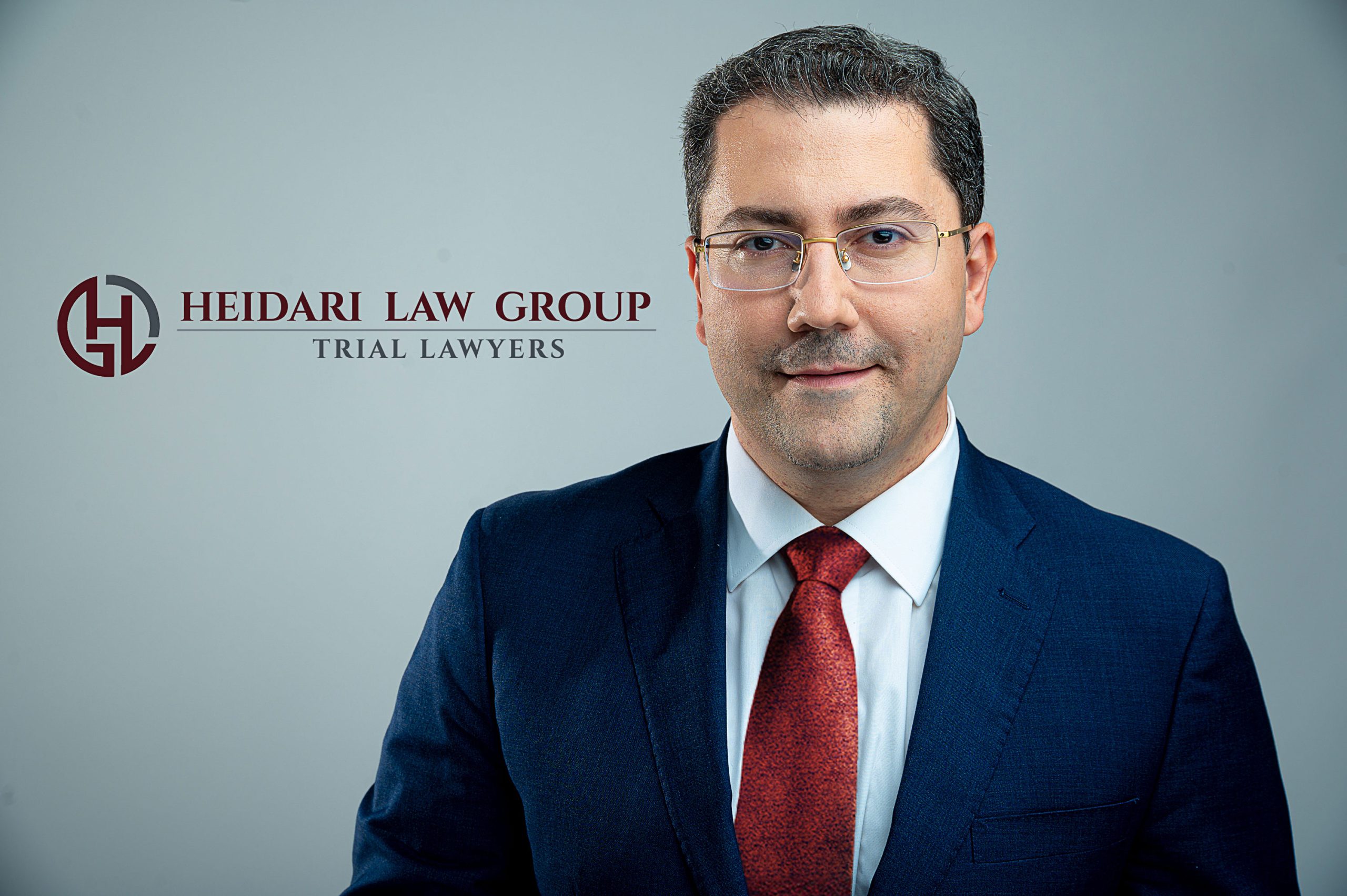
Sam Ryan Heidari
Sam Heidari is the founding principal of Heidari Law Group, a law firm specializing in personal injury, wrongful death, and employment law. Sam Heidari has been practicing law for over 11 years and handles a wide range of cases including car accidents, wrongful death, employment discrimination, and product liability. The Heidari Law Group legal firm is known for its comprehensive approach, handling cases from initial consultation through to final judgment. Sam Heidari is dedicated to community involvement and advocacy for civil liberties.
Contact Us
24/7 Free Case Evaluation
Serious Representation, Real Results
Los Angeles Office
3530 Wilshire Blvd. Suite 710 Los Angeles, CA 90010 Tel: 213-884-4881Fax: 213-884-4588
info@HeidariLawGroup.comIrvine Office
17875 Von Karman Ave. Suite 150 & 250 Irvine, CA 92614 Tel: 949-239-1020Fax: 949-239-1021
info@HeidariLawGroup.comSacramento Office
180 Promenade Cir Ste 300 Sacramento, CA 95834 Tel: 916-461-1818Fax: 916-461-9797
info@HeidariLawGroup.comBakersfield Office
3501 Mall View Rd Suite 105 Bakersfield, CA 93306 Tel: 661-409-0000Fax: 916-461-9797
info@HeidariLawGroup.comLas Vegas Office
611 S 6th Street Las Vegas, NV 89101 Tel: 702-722-1500Fax: 702-722-1600
info@HeidariLawGroup.com