
Stockton Personal Injury Lawyer
We handle personal injury suits in Stockton and throughout San Joaquin County.
$500,000
Premises Liability
$1.4 Million
Brain Injury
$3.3 Million
Motorcycle Accident
$2.0 Million
Car accident
$1.0 Million
Ride Share Accident
$1.1 Million
Motor Vehicle Accident
$110,000
Truck Accident
$500,000
Trip and Fall Accident
$1.0 Million
Medical Malpractice
$250,000
Airline Accident
Case Results
$3.3 Million
Motorcycle Accident
$2.0 Million
Car accident
$1.4 Million
Brain Injury
$1.1 Million
Motor Vehicle Accident
Stockton Personal Injury Lawyer
Accidental injuries are often preventable, yet they continue to impact thousands of individuals each year. Many of these injuries are caused by the reckless, negligent, or even intentional actions of others. In such cases, California law provides victims the opportunity to seek compensation through legal action, holding responsible parties accountable.
Can Most Accidental Injuries Be Prevented?
Yes, in most cases, accidental injuries are avoidable. Research shows that with proper precautions and responsible behaviour, many injury incidents can be significantly reduced. This applies to various situations, from car accidents to workplace injuries and even slips and falls. When these injuries result from another party’s negligence, California law allows the injured party to seek financial recovery for their losses.
How Can California Law Help Accident Victims?
California’s legal system allows individuals injured by another person’s actions to seek compensation, also known as legal damages. This compensation can cover medical expenses, lost wages, and pain and suffering, among other damages. If an injury was caused by reckless driving, unsafe premises, or any form of negligence, victims have the right to pursue justice.
What You Need to Know About Liability and California Personal Injury Claims
Personal injury claims can arise from a wide range of accidents, particularly in busy areas such as Stockton. Given the city’s mix of urban and suburban environments, residents face a heightened risk of accidents, from vehicle collisions to incidents on poorly maintained properties. If you’ve been injured due to someone else’s negligence, knowing your rights and the types of personal injury claims available is essential.
Common Types of Personal Injury Claims
- Vehicle Accidents in Stockton
Car, truck, and motorcycle accidents are among the most common causes of personal injury claims in Stockton. With high traffic volumes, especially during peak hours, drivers are at greater risk of accidents. California continues to experience a high number of roadway incidents, making it crucial for drivers to remain vigilant. When another driver’s negligence or recklessness causes an accident, victims may be entitled to compensation for their injuries, medical expenses, and other damages. - Premises Liability Claims: Slip and Fall Incidents
Premises liability refers to the responsibility property owners have to maintain a safe environment. When they fail to do so, it can lead to accidents like slips, trips, and falls. For instance, if a store fails to repair a broken step or clean up a spill, it can result in serious injuries to customers. Stockton residents, in particular, should be aware of this type of claim, as many premises liability cases occur in high-traffic public areas.
What About Professional Negligence?
Professional negligence, such as medical malpractice, is another area where personal injury claims can arise. Medical malpractice occurs when a healthcare provider fails to meet the standard of care, leading to patient harm. From misdiagnoses to surgical errors, victims of medical malpractice may face lifelong consequences and should understand their rights to pursue compensation.
When pursuing a personal injury claim in Stockton, California, the legal process typically follows a structured approach. Regardless of the incident’s cause, the claimant—referred to as the plaintiff—bears the responsibility of proving that the other party, known as the defendant, acted negligently. It’s important to understand that negligence does not imply intentional harm; proving negligence in a Stockton court does not require demonstrating that the defendant intended to cause injury.
Key Elements of Proving Negligence in Stockton
To build a successful personal injury claim, the plaintiff must establish specific elements that demonstrate the defendant’s liability:
- Duty of Care
First, the plaintiff must show that the defendant owed them a legal duty of care. This duty means the defendant had an obligation to act responsibly and avoid actions that could foreseeably harm others. Drivers in Stockton have a duty to follow traffic laws to ensure road safety for everyone. - Breach of Duty
The plaintiff must prove that the defendant breached this duty of care, either through an intentional act, negligence, or a failure to take reasonable steps to prevent harm. Examples might include a property owner failing to address hazards on their premises or a driver ignoring speed limits. - Causation
The plaintiff must link the defendant’s breach of duty directly to their injuries. This step involves demonstrating that the injuries sustained were a direct result of the defendant’s actions or inactions. - Damages
The plaintiff must prove that the injuries led to tangible losses, known as damages. These damages can include medical expenses, lost income, emotional distress, and other hardships resulting from the incident.
Frequently Asked Questions about Personal Injury Claims in Stockton
Intent isn’t necessary for proving negligence. As long as the plaintiff can show that the defendant failed to uphold a reasonable standard of care, that breach is enough to establish negligence.
California operates under a “pure comparative negligence” rule, meaning that even if the plaintiff is partially at fault, they may still recover damages. Their compensation may be reduced based on their share of fault.
The exact nature of the duty of care is dependent on the specifics of each case, especially in a city like Stockton. In the context of a car accident, duty of care refers to the responsibility of all drivers to comply with traffic regulations and operate their vehicles safely. In premises liability cases, a property owner in Stockton must keep the premises safe and free of hazards. In medical malpractice, the duty of care is determined by the medical provider’s professional duty to deliver services that align with the accepted standards of their field.
Why Do You Need to Work with a Stockton Personal Injury Attorney?
In personal injury cases, damages refer to financial compensation awarded to a plaintiff to address the losses they’ve suffered due to an accident or injury. The goal is to make the injured party “whole” by covering both tangible and intangible impacts. Damages typically fall into two main categories: economic and non-economic.
What Are Economic Damages in Personal Injury Cases?
Economic damages cover measurable financial losses directly resulting from the injury. These can include medical expenses, lost wages from missed work, and other out-of-pocket costs associated with the injury. For example, if a car accident results in hospitalisation, surgery, and ongoing physical therapy, all related medical expenses can be claimed as economic damages.
Understanding Non-Economic Damages
Unlike economic damages, non-economic damages are harder to quantify but are equally essential in ensuring fair compensation. These damages address the more personal, subjective losses a plaintiff may endure, including pain and suffering, emotional distress, and a diminished quality of life. For instance, if a person sustains a severe injury that limits their ability to engage in daily activities or enjoy hobbies, they may be eligible for non-economic damages.
Non-economic damages account for the mental and emotional toll an injury can have on a person’s well-being.
How Are Damages Calculated in Personal Injury Cases?
Damage calculation can vary widely depending on the nature of the case and the extent of the injuries. While economic damages are often straightforward, non-economic damages are determined by factors such as the severity of the injury, the duration of recovery, and the extent to which the injury affects daily life. The method used to calculate these damages may include multipliers based on the intensity of pain and suffering.
What Are Punitive Damages?
Punitive damages differ significantly from compensatory damages. While compensatory damages address financial losses, medical expenses, and emotional distress experienced by the victim, punitive damages focus solely on punishment and deterrence. In California, judges and juries consider awarding punitive damages only when the defendant’s actions are deemed particularly harmful or malicious.
When Might a Court Award Punitive Damages?
Punitive damages may apply in instances of willful or negligent actions, with drunk driving often serving as a primary example. Drunk driving incidents not only threaten public safety but also reflect a conscious disregard for others’ lives. Courts in California take such actions seriously and may impose punitive damages to underscore the severity of the misconduct.
Punitive damages are relatively rare in California courts because they require proof of extreme negligence or intentional harm. Most personal injury cases focus on compensatory damages, but if a defendant’s actions were particularly outrageous, courts might consider punitive measures.
Most personal injury cases in California, including Stockton, are settled outside of court. Settlements are frequent, especially when an insurance company is involved. As an accident victim, consulting with an experienced personal injury attorney for settlement negotiations is wise. A lawyer can help avoid inadequate offers and work toward a more favourable settlement. If a settlement cannot be reached, an attorney can guide the filing of a lawsuit and the progression to trial. Contact Heidari Law Group today for a free consultation.
Nearby Heidari Law Locations
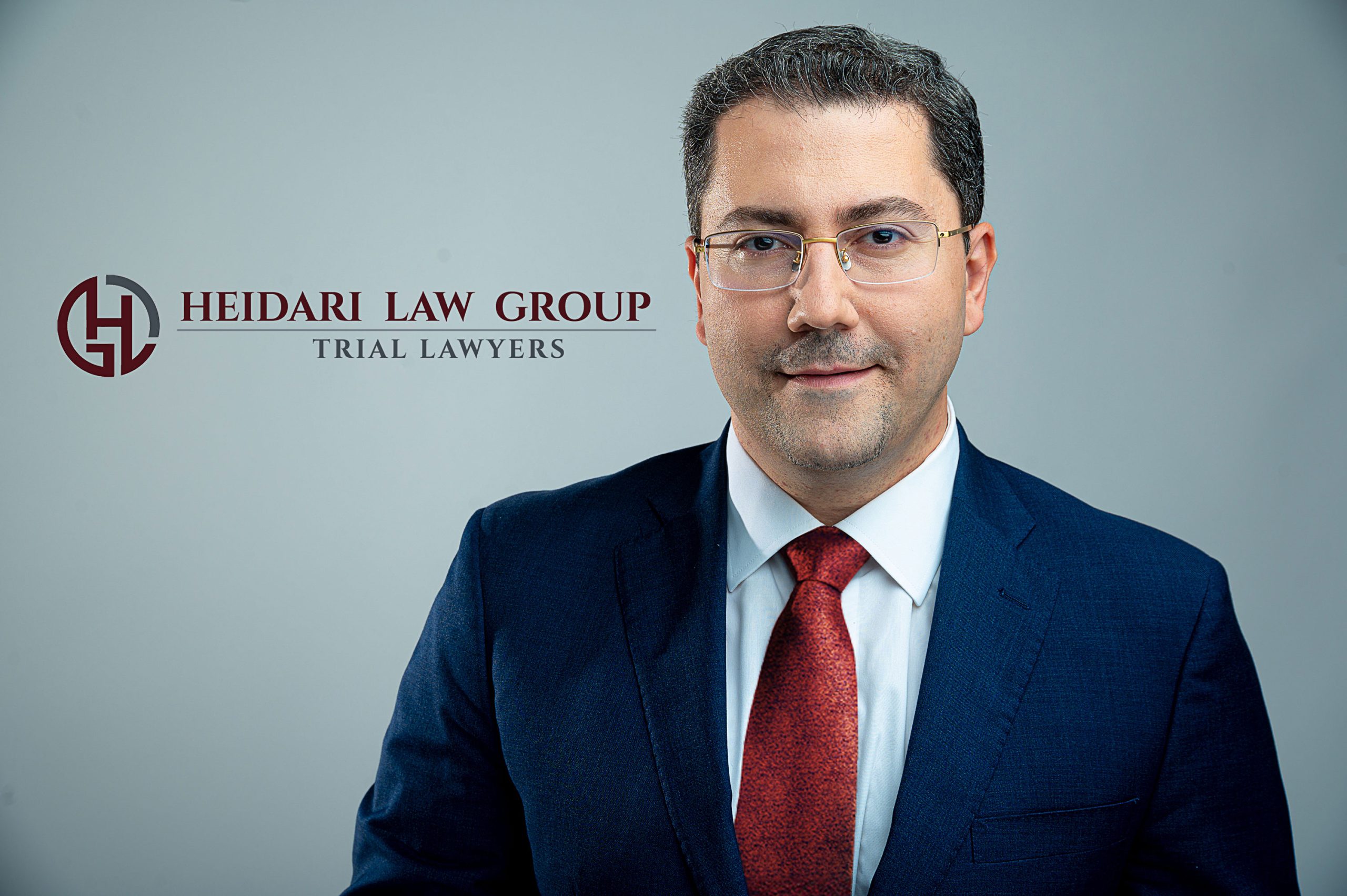
Sam Ryan Heidari
Sam Heidari is the founding principal of Heidari Law Group, a law firm specializing in personal injury, wrongful death, and employment law. Sam Heidari has been practicing law for over 11 years and handles a wide range of cases including car accidents, wrongful death, employment discrimination, and product liability. The Heidari Law Group legal firm is known for its comprehensive approach, handling cases from initial consultation through to final judgment. Sam Heidari is dedicated to community involvement and advocacy for civil liberties.
Contact Us
24/7 Free Case Evaluation
Serious Representation, Real Results
Los Angeles Office
3530 Wilshire Blvd. Suite 710 Los Angeles, CA 90010 Tel: 213-884-4881Fax: 213-884-4588
info@HeidariLawGroup.comIrvine Office
17875 Von Karman Ave. Suite 150 & 250 Irvine, CA 92614 Tel: 949-239-1020Fax: 949-239-1021
info@HeidariLawGroup.comSacramento Office
180 Promenade Cir Ste 300 Sacramento, CA 95834 Tel: 916-461-1818Fax: 916-461-9797
info@HeidariLawGroup.comBakersfield Office
3501 Mall View Rd Suite 105 Bakersfield, CA 93306 Tel: 661-409-0000Fax: 916-461-9797
info@HeidariLawGroup.comLas Vegas Office
611 S 6th Street Las Vegas, NV 89101 Tel: 702-722-1500Fax: 702-722-1600
info@HeidariLawGroup.com