

Upland Car Accident Attorney
If you’ve recently been injured in a car accident, don’t hesitate to reach out to Heidari Law Group, your trusted car accident attorneys in Upland. Don’t face the aftermath of a car accident alone—let us advocate for you and guide you through the legal process. Contact Heidari Law Group today for a consultation.
$500,000
Premises Liability
$1.4 Million
Brain Injury
$3.3 Million
Motorcycle Accident
$2.0 Million
Car accident
$1.0 Million
Ride Share Accident
$1.1 Million
Motor Vehicle Accident
$110,000
Truck Accident
$500,000
Trip and Fall Accident
$1.0 Million
Medical Malpractice
$250,000
Airline Accident
Case Results
$3.3 Million
Motorcycle Accident
$2.0 Million
Car accident
$1.4 Million
Brain Injury
$1.1 Million
Motor Vehicle Accident
Auto Accident Lawyers in Upland
In Upland, finding yourself in the aftermath of a car accident can feel like a finger is pointing directly at you, assigning fault. This situation often leaves individuals feeling cornered and uncertain about how to proceed.
In legal terms, this “finger-pointing” is referred to as negligence, which forms the basis of many car accident claims. Understanding negligence is crucial when navigating the complexities of a car accident case. It involves determining whether one party failed to uphold their duty of care, thereby causing the accident and resulting injuries.
Don’t let the stress of a car accident overwhelm you. Instead, educate yourself about negligence and take proactive steps to protect your rights. Reach out to a trusted car accident lawyer in Upland today to learn more and receive the guidance you need during this challenging time.
Getting a Upland Car Accident Lawyer
Negligence is a failure to exercise reasonable care that results in unintended injury or harm to another person.
To establish a negligence claim, the plaintiff must demonstrate four key elements: the defendant’s duty of care, breach of that duty, causation of the injury, and damages incurred. Let’s examine each of these elements individually.
- Duty of Care: The plaintiff must first establish that the defendant owed them a legal duty of care. This is typically straightforward in car accident cases, as drivers are legally required to follow traffic laws and drive safely.
- Breach of Duty: The plaintiff must then show that the defendant failed to fulfill their duty of care. This breach can occur through actions such as running a red light, failing to use turn signals, or speeding.
- Causation: It must be demonstrated that the breach of duty directly caused the plaintiff’s injury. For example, if the defendant’s failure to stop at a red light led to a collision, this breach is directly linked to the injury.
- Damages: Finally, the plaintiff must prove that they suffered actual damages as a result of the breach. This can include medical expenses, property damage, lost wages, and pain and suffering.
Negligence Elements
Following a breach of duty, the next step in establishing negligence is proving that this breach directly caused harm to the plaintiff. For instance, if a motorist looks away from the road to send a text message, they might inadvertently veer into oncoming traffic, leading to an accident.
This causation is often assessed under the “but-for” test, in which the injured party argues that the accident would not have occurred but for the defendant’s negligence.
Finally, a negligence claim must include an estimate of all costs and losses resulting from the accident, including medical expenses, property damage, and emotional distress. Those injured by a negligent driver may be eligible for compensation.
Negligence can take various forms, including fatigued driving, driving under the influence of alcohol, distracted driving, speeding, and failing to yield the right-of-way. Accidents resulting from driver negligence can include rear-end collisions, head-on crashes, sideswipes, rollovers, and broadside (T-bone) crashes.
One of your first calls after a crash should be to a car accident attorney in Upland.
A Driver’s Neglect
Accidents are unfortunately common and often result from human error and various factors. However, experiencing one car crash doesn’t mean you are doomed to repeat incidents. By driving carefully, you can generally avoid negligence claims and accidents.
Even with your best efforts to drive safely, there may be times when other drivers behave recklessly and cause accidents. If you find yourself in such a situation, seeking help is crucial.
If you are dealing with the aftermath of a car accident caused by another driver’s negligence, consider scheduling a free consultation with a skilled car accident lawyer in Upland from Heidari Law Group.
Who Are The Defendants In a Upland Car Accident
In a Upland car accident, the defendants typically include:
- At-Fault Driver(s): The primary defendant is often the driver whose negligence or recklessness led to the accident. This could include actions such as speeding, running a red light, or driving while distracted or under the influence of alcohol or drugs.
- Vehicle Owner(s): If the at-fault driver was operating a vehicle owned by someone else (such as a rental car or company vehicle), the owner of the vehicle may also be named as a defendant.
- Employer(s): If the at-fault driver was acting within the scope of their employment at the time of the accident, their employer may be held liable for the damages resulting from the collision.
- Government Entities: In some cases, the government agency responsible for maintaining the roadways may be named as a defendant if poor road conditions or inadequate signage contributed to the accident.
- Manufacturers: If a defective vehicle part or component contributed to the accident, the manufacturer or distributor of the faulty product may be held liable for damages.
Determining the defendants in a car accident case requires a thorough investigation of the circumstances surrounding the collision.
What Kind Of Compensation Can I Receive?
Depending on your specific circumstances, you might be eligible for various forms of compensation, including:
- Medical Expenses: Covers hospitalization, surgeries, medications, therapy, and ongoing medical care.
- Lost Wages: If your injuries prevent you from working, you may receive compensation for lost income due to missed work or reduced earning capacity.
- Pain and Suffering: Compensation for the physical and emotional distress caused by the accident and your injuries.
- Property Damage: Reimbursement for repairing or replacing your vehicle and any other property damaged in the accident.
- Future Expenses: Anticipates future medical treatments, ongoing therapy, or other costs related to your injuries.
- Loss of Enjoyment of Life: Compensation for the diminished ability to enjoy life as you did before the accident.
- Punitive Damages: In cases of severe negligence or intentional misconduct, punitive damages may be awarded to punish the responsible party and discourage similar behavior.
The Impact of Upland Traffic Laws on Car Accident Claims
In Upland, strict adherence to traffic laws is paramount, as any violation can significantly affect the outcome of a car accident claim. The city operates under a comparative fault principle, in which a victim’s compensation is reduced in proportion to their degree of fault in causing the accident. For example, if a victim is found to be 20% at fault due to speeding, their recoverable damages would be reduced by 20%. This principle highlights how attorneys approach their cases, emphasizing the need to gather comprehensive evidence to establish the defendant’s culpability while mitigating the victim’s liability.
This understanding also influences driver behavior on Upland roads. Knowing that any degree of fault can reduce potential compensation encourages drivers to strictly follow road safety laws, including speed limits and proper signal usage. In legal proceedings, meticulous documentation from traffic cameras, eyewitness testimonies, and police reports is crucial in analyzing the moments leading up to accidents. Therefore, adherence to and enforcement of traffic laws are vital in both preventing accidents and resolving legal claims effectively.
Educational Outreach and Preventive Measures in Upland to Reduce Car Accidents
Upland, like many communities, actively implements various preventative measures to reduce car accidents. This includes strict enforcement of traffic regulations and educational outreach initiatives to promote road safety. These programs target different demographics, particularly young drivers who are at a higher risk of road accidents. Sessions often cover the dangers of distracted driving, the importance of seatbelt use, and the impact of alcohol and substance impairment on driving ability.
Community events, school programs, and partnerships with local businesses help disseminate this awareness. Additionally, the use of modern technologies, such as driving simulators, provides interactive and effective learning experiences. The overarching goal of these efforts is to cultivate a culture of safety and responsibility within the community, thereby significantly reducing the incidence of car accidents in Upland. Ultimately, this collective effort helps alleviate the burden on the legal system by decreasing the number of negligence cases resulting from car accidents.
Commonly Asked Upland Car Accident Questions
It’s advisable to contact a lawyer as soon as possible after a car accident in Upland. They can guide you through the legal process, protect your rights, and ensure important evidence is preserved.
In Upland, it’s important to report your car accident to the police if there are any injuries, fatalities, or significant property damage exceeding $2,000. Reporting the accident helps document the incident and may be necessary for insurance purposes.
Before accepting any settlement offer from the insurance company for your Upland car accident, it’s crucial to consult with a lawyer. They can assess the offer to ensure it adequately covers your current and future expenses resulting from the accident.
If you’ve recently been in an auto accident, contact us at Heidari Law Group without delay. Our dedicated team is ready to help you navigate the aftermath and ensure you receive the support and representation you need.
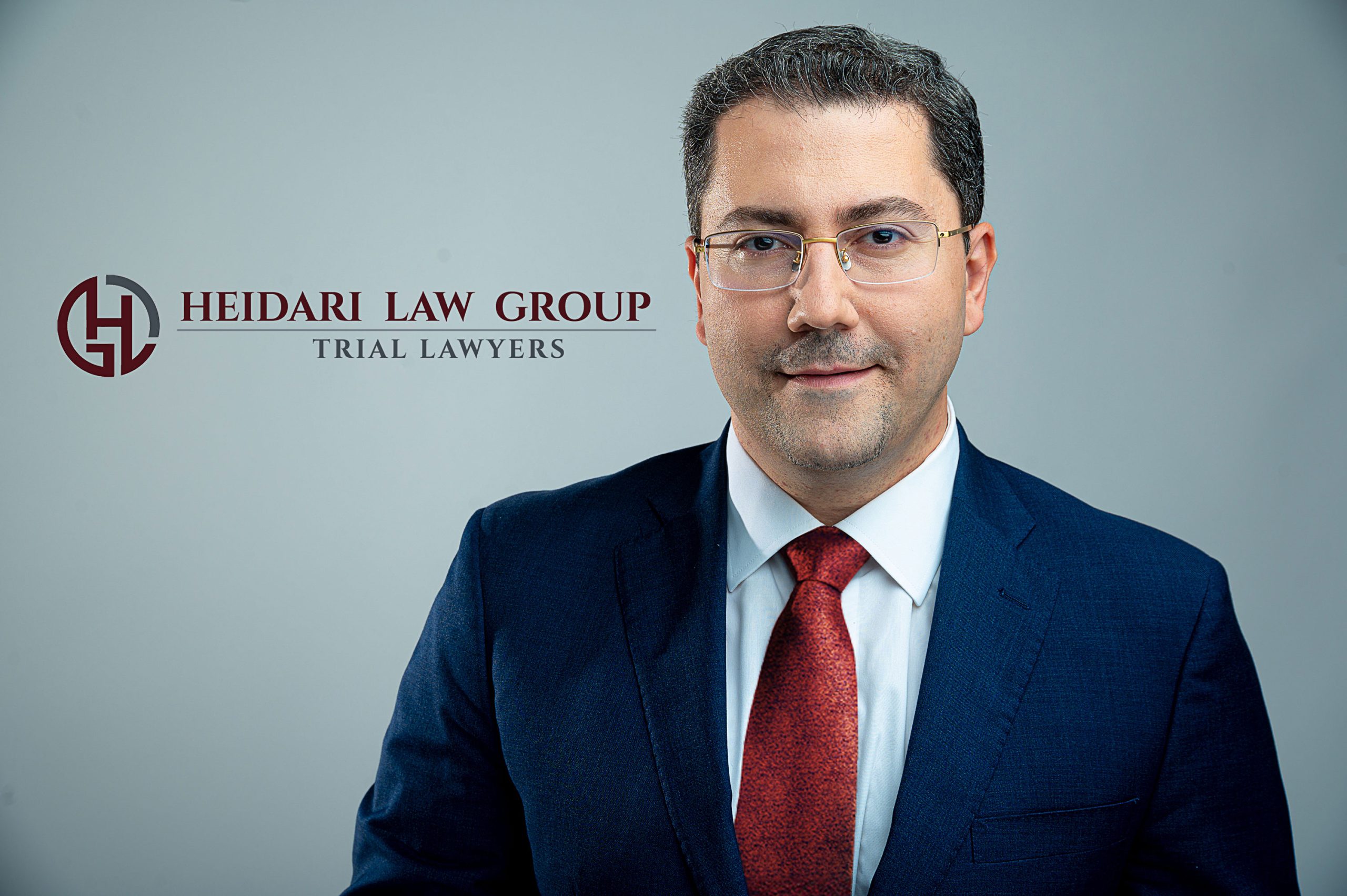
Sam Ryan Heidari
Sam Heidari is the founding principal of Heidari Law Group, a law firm specializing in personal injury, wrongful death, and employment law. Sam Heidari has been practicing law for over 11 years and handles a wide range of cases including car accidents, wrongful death, employment discrimination, and product liability. The Heidari Law Group legal firm is known for its comprehensive approach, handling cases from initial consultation through to final judgment. Sam Heidari is dedicated to community involvement and advocacy for civil liberties.
Contact Us
24/7 Free Case Evaluation
Serious Representation, Real Results
Los Angeles Office
3530 Wilshire Blvd. Suite 710 Los Angeles, CA 90010 Tel: 213-884-4881Fax: 213-884-4588
info@HeidariLawGroup.comIrvine Office
17875 Von Karman Ave. Suite 150 & 250 Irvine, CA 92614 Tel: 949-239-1020Fax: 949-239-1021
info@HeidariLawGroup.comSacramento Office
180 Promenade Cir Ste 300 Sacramento, CA 95834 Tel: 916-461-1818Fax: 916-461-9797
info@HeidariLawGroup.comBakersfield Office
3501 Mall View Rd Suite 105 Bakersfield, CA 93306 Tel: 661-409-0000Fax: 916-461-9797
info@HeidariLawGroup.comLas Vegas Office
611 S 6th Street Las Vegas, NV 89101 Tel: 702-722-1500Fax: 702-722-1600
info@HeidariLawGroup.com