
Wrongful Death Attorney in Ventura
Losing a family member because of another person’s negligence or wrongful conduct can leave a family facing grief, financial pressure, and difficult legal questions at the same time. If the death occurred in Ventura, California, a wrongful death claim may allow certain surviving family members to seek compensation under California law.
Heidari Law Group represents families in wrongful death matters involving fatal vehicle collisions, unsafe property conditions, workplace incidents, defective products, medical negligence, and other serious events. A legal claim cannot undo the loss, but it may help address the financial and personal consequences caused by the death.
$500,000
Premises Liability
$1.4 Million
Brain Injury
$3.3 Million
Motorcycle Accident
$2.0 Million
Car accident
$1.0 Million
Ride Share Accident
$1.1 Million
Motor Vehicle Accident
$110,000
Truck Accident
$500,000
Trip and Fall Accident
$1.0 Million
Medical Malpractice
$250,000
Airline Accident
Case Results
$3.3 Million
Motorcycle Accident
$2.0 Million
Car accident
$1.4 Million
Brain Injury
$1.1 Million
Motor Vehicle Accident
Wrongful Death Claims in Ventura, California
A wrongful death claim may be available when a person dies because of another party’s negligence, recklessness, intentional misconduct, or legally responsible act. Under California law, a wrongful death case is generally brought by eligible surviving family members or dependents.
Common Ventura wrongful death cases may involve:
- Fatal car, truck, motorcycle, pedestrian, or bicycle accidents
- Collisions on or near Highway 101, State Route 126, and local Ventura roads
- Workplace, construction, or industrial incidents
- Unsafe property conditions
- Defective consumer products or vehicle parts
- Medical negligence, delayed diagnosis, or misdiagnosis
- Violent acts or intentional misconduct
- Fatal incidents involving public property or government vehicles
Each case depends on the available evidence, the cause of death, and the parties that may be legally responsible.
Who Can File a Wrongful Death Claim in California?
California Code of Civil Procedure § 377.60 identifies who may bring a wrongful death claim. Eligible parties may include the deceased person’s surviving spouse, domestic partner, children, or other heirs. In some cases, certain dependents may also have the right to file.
Family members may need to determine:
- Their legal relationship to the deceased person
- Whether there are multiple eligible claimants
- Whether the case involves a separate survival action
- Whether a public entity or medical provider is involved
- Which filing deadline applies
A wrongful death claim is different from a survival action. A wrongful death claim focuses on the losses suffered by surviving family members. A survival action generally belongs to the deceased person’s estate and may address certain claims the deceased person could have brought if they had survived.
Deadlines for Ventura Wrongful Death Cases
In many California wrongful death cases, families generally have two years from the date of death to file a lawsuit under California Code of Civil Procedure § 335.1. Missing the deadline may prevent the family from pursuing compensation.
Some cases may involve shorter or different deadlines. For example:
- Claims involving a government agency may require an administrative claim within six months under California Government Code § 911.2.
- Medical negligence claims may involve timing rules under California Code of Civil Procedure § 340.5.
- Cases involving minors, delayed discovery, or unusual facts may require additional legal review.
Because deadlines can vary, families should avoid waiting to have the facts reviewed.
Compensation That May Be Available
Compensation in a Ventura wrongful death case depends on the facts, available evidence, and the relationship between the deceased person and the claimants. Potential damages may include economic and non-economic losses.
Economic damages may include:
- Funeral and burial expenses
- Medical bills related to the final injury or illness
- Lost income, benefits, and financial support
- Loss of household services that the deceased person provided
- Loss of expected financial contributions
Non-economic damages may include:
- Loss of companionship
- Loss of affection, care, guidance, and support
- Loss of emotional support
- Loss of consortium for a surviving spouse or domestic partner
Punitive damages are limited in wrongful death matters and may depend on whether a related survival action is available. These issues should be reviewed carefully based on the facts of the case.
Proving Liability in a Ventura Wrongful Death Case
To pursue a wrongful death claim, the family usually must show that another party’s conduct caused the death. This often requires evidence showing duty, breach, causation, and damages.
Useful evidence may include:
- Police or incident reports
- Medical records
- Coroner or autopsy findings
- Witness statements
- Photos or video footage
- Vehicle data, dashcam footage, or surveillance footage
- Workplace safety records
- Product records or maintenance history
- Expert analysis from accident reconstructionists, medical experts, or forensic specialists
Potential defendants may include drivers, employers, property owners, product manufacturers, contractors, medical providers, businesses, or government entities. In some cases, more than one party may share responsibility.
How Heidari Law Group Helps Ventura Families
Heidari Law Group assists families by reviewing the facts, identifying possible defendants, gathering evidence, communicating with insurers, and preparing claims for negotiation or litigation when appropriate.
The firm’s role may include:
- Reviewing the cause and circumstances of the death
- Identifying eligible claimants under California law
- Preserving time-sensitive evidence
- Calculating financial and non-economic losses
- Evaluating insurance coverage and responsible parties
- Handling communications with insurance companies
- Preparing the case for settlement discussions or court proceedings
The goal is to help families understand their options while protecting their rights under California law.
FAQs About Wrongful Death in Ventura
What is wrongful death in California?
Wrongful death occurs when a person dies because of another party’s negligent, reckless, intentional, or otherwise wrongful conduct. If the deceased person could have filed a personal injury claim had they survived, eligible family members may be able to bring a wrongful death claim.
How long do families have to file a wrongful death claim in Ventura?
In many cases, the deadline is two years from the date of death. Claims involving government entities, medical negligence, or unusual facts may have different timing rules.
Who can file a wrongful death lawsuit in California?
Eligible claimants may include a surviving spouse, domestic partner, children, certain heirs, and in some cases, dependents. California Code of Civil Procedure § 377.60 explains who may bring the claim.
What damages can be recovered in a wrongful death case?
Damages may include funeral expenses, lost financial support, loss of household services, and loss of companionship, care, guidance, and emotional support. The value of a claim depends on the specific facts.
Can more than one person or company be responsible?
Yes. A wrongful death case may involve multiple responsible parties, such as a negligent driver, employer, property owner, contractor, product manufacturer, medical provider, or government agency.
What if the deceased person was partly at fault?
California follows comparative fault principles. If the deceased person is found partly responsible, compensation may be reduced based on the percentage of fault assigned.
Authoritative References
- California Code of Civil Procedure § 377.60 – Wrongful Death Claimants
https://leginfo.legislature.ca.gov/faces/codes_displaySection.xhtml?sectionNum=377.60&lawCode=CCP - California Code of Civil Procedure § 335.1 – Two-Year Personal Injury / Wrongful Death Deadline
https://leginfo.legislature.ca.gov/faces/codes_displaySection.xhtml?sectionNum=335.1&lawCode=CCP - California Government Code § 911.2 – Government Claim Deadline
https://leginfo.legislature.ca.gov/faces/codes_displaySection.xhtml?sectionNum=911.2&lawCode=GOV - California Code of Civil Procedure § 340.5 – Medical Negligence Deadline
https://leginfo.legislature.ca.gov/faces/codes_displaySection.xhtml?sectionNum=340.5&lawCode=CCP - State Bar of California Rules of Professional Conduct
https://www.calbar.ca.gov/Attorneys/Conduct-Discipline/Rules/Rules-of-Professional-Conduct
This page is for general informational purposes only and does not create an attorney-client relationship. Legal deadlines and available claims may vary based on the facts of each case. Families should speak with an attorney about their specific situation.
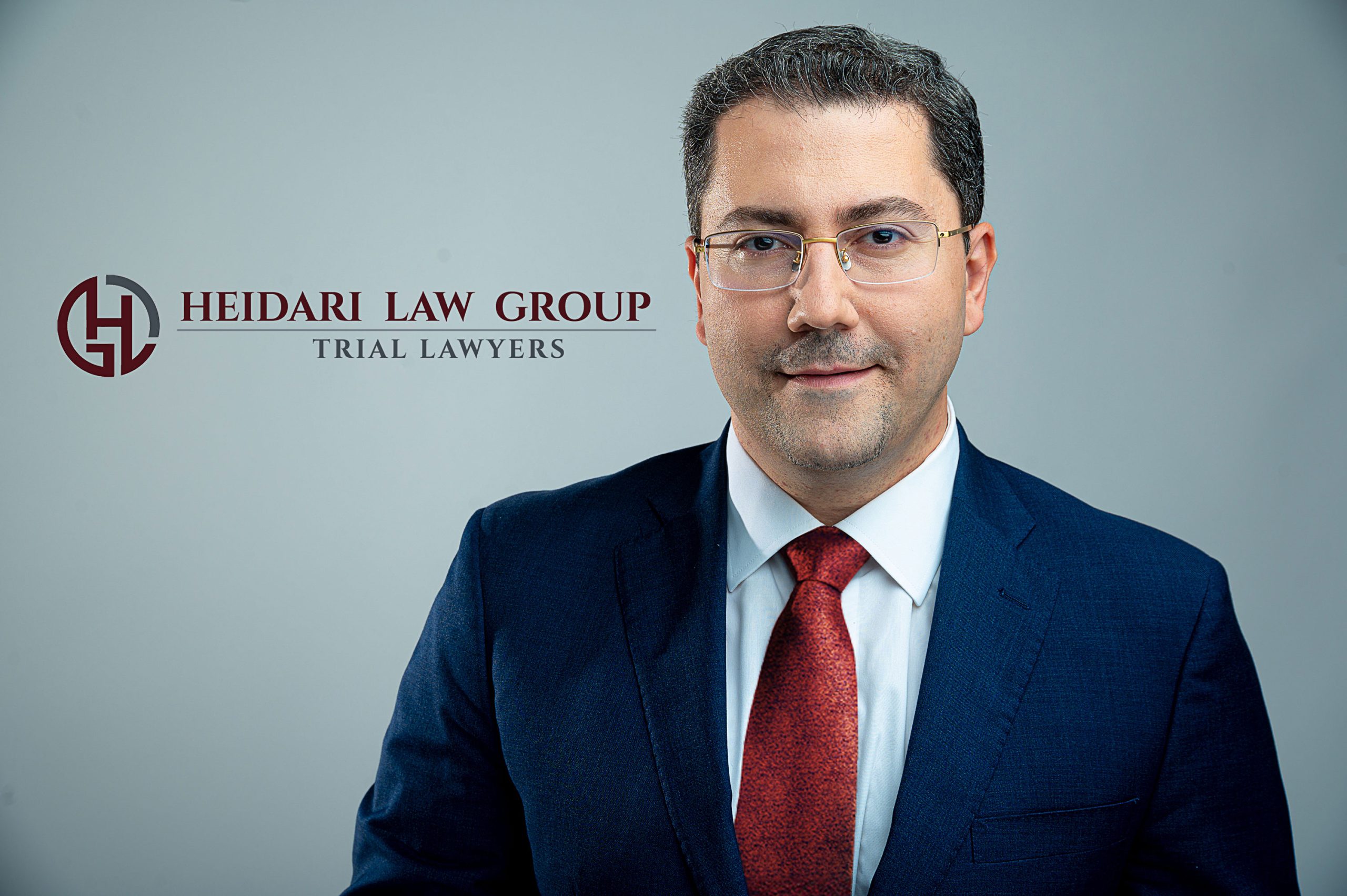
Sam Ryan Heidari
Sam Heidari is the founding principal of Heidari Law Group, a law firm specializing in personal injury, wrongful death, and employment law. Sam Heidari has been practicing law for over 11 years and handles a wide range of cases including car accidents, wrongful death, employment discrimination, and product liability. The Heidari Law Group legal firm is known for its comprehensive approach, handling cases from initial consultation through to final judgment. Sam Heidari is dedicated to community involvement and advocacy for civil liberties.
Contact Us
24/7 Free Case Evaluation
Serious Representation, Real Results
Los Angeles Office
3530 Wilshire Blvd. Suite 710 Los Angeles, CA 90010 Tel: 213-884-4881Fax: 213-884-4588
info@HeidariLawGroup.comIrvine Office
17875 Von Karman Ave. Suite 150 & 250 Irvine, CA 92614 Tel: 949-239-1020Fax: 949-239-1021
info@HeidariLawGroup.comSacramento Office
180 Promenade Cir Ste 300 Sacramento, CA 95834 Tel: 916-461-1818Fax: 916-461-9797
info@HeidariLawGroup.comBakersfield Office
3501 Mall View Rd Suite 105 Bakersfield, CA 93306 Tel: 661-409-0000Fax: 916-461-9797
info@HeidariLawGroup.comLas Vegas Office
611 S 6th Street Las Vegas, NV 89101 Tel: 702-722-1500Fax: 702-722-1600
info@HeidariLawGroup.com