
Falling cargo can create serious hazards for drivers on Las Vegas roads. A ladder may fall from a work truck, furniture may slide off a trailer, or loose gravel may spill into traffic. These incidents can happen with little warning, leaving nearby motorists limited time to react.
Busy routes such as Interstate 15, U.S. 95, Interstate 11, the 215 Beltway, Flamingo Road, and Sahara Avenue may present additional challenges because of traffic volume and changing roadway conditions. Drivers may collide directly with fallen cargo or swerve to avoid it, potentially hitting another vehicle or object.
Cargo must be properly secured during transportation. The precautions required depend on the type of material, vehicle, equipment, and applicable safety rules. Strong desert winds, sudden rain, and damaged restraints may increase the risk of cargo shifting or falling.
After an accident involving unsecured cargo, motorists should take the following steps when it is safe:
- Move away from traffic and call 911 if anyone is injured or debris creates an immediate hazard.
- Photograph the cargo, roadway, damaged vehicles, and surrounding conditions.
- Record identifying information about the vehicle that lost the load, if available.
- Collect witness contact information and preserve dashcam footage.
- Keep medical records, repair estimates, towing receipts, and other relevant documents.
Responsibility may extend beyond the driver transporting the cargo. Depending on the circumstances, a trucking company, vehicle owner, loading business, contractor, or equipment manufacturer may also be involved. A Las Vegas truck accident attorney can examine the evidence to help determine which parties may share responsibility.
Heidari Law Group can review the circumstances of an unsecured load accident in Las Vegas, examine available evidence, and explain potential legal options under Nevada law.
How Las Vegas Attorneys Trace Cargo to the Vehicle That Lost It
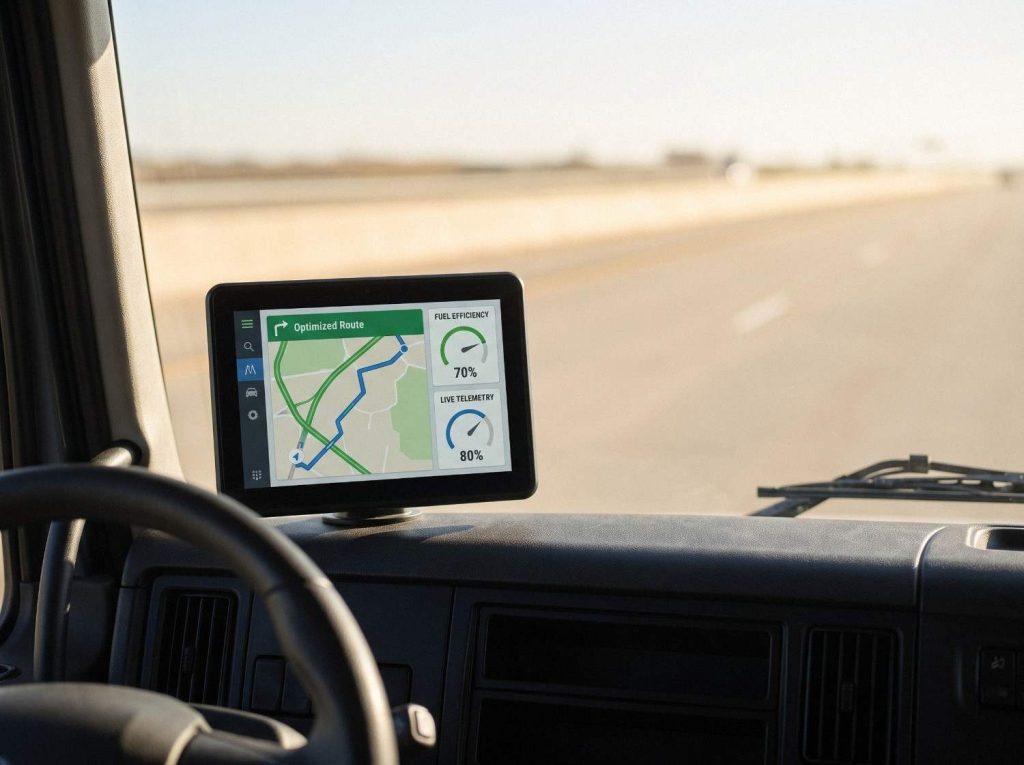
When fallen cargo becomes a roadway hazard, determining responsibility may require investigating where the material originated and how it entered traffic. Similar evidence is examined in Las Vegas road debris accident claims.
An investigation often begins by establishing where the cargo was found, when the accident occurred, and which vehicles were traveling nearby.
Useful evidence may include:
- Witness descriptions of trucks, trailers, or other vehicles.
- Partial license plate numbers, company logos, or distinctive vehicle markings.
- Photographs showing cargo labels, serial numbers, or damaged restraints.
- Dashcam, traffic-camera, or nearby business surveillance footage.
- Police reports and emergency calls reporting roadway debris.
The exact location matters. On Interstate 15, U.S. 95, Interstate 11, and the 215 Beltway, nearby exits, interchanges, and mile markers may help investigators identify potential camera locations and commercial travel routes.
Commercial transportation records can also provide leads. Dispatch information, delivery schedules, GPS data, inspection reports, and shipping documents may help determine whether a particular vehicle traveled through the area.
Physical evidence may support those findings. A damaged ladder rack, torn tie-down, missing tailgate, or trailer carrying similar materials could help connect a vehicle to the debris.
Federal cargo securement requirements under 49 C.F.R. Part 393 establish safety standards for covered commercial vehicles. These requirements may provide useful context when evaluating whether cargo was properly secured.
However, identifying a possible source does not automatically establish responsibility. Investigators must consider the available evidence, alternative explanations, and whether the cargo can be reliably connected to the collision.
Can a Lawyer Obtain Cargo Loading and Securement Records?
Cargo loading and securement records may help establish who prepared a shipment, how the materials were secured, and whether inspections occurred before or during transportation.
These records may also be relevant in trucking accident investigations, where driver inspections, cargo handling, and commercial vehicle safety requirements can help clarify the circumstances of a collision.
An attorney may seek these documents from trucking companies, vehicle owners, warehouses, loading businesses, and other parties involved in transporting the cargo.
Potentially relevant records include:
- Shipping documents.
- Loading instructions and pre-departure photographs.
- Driver inspection reports and maintenance records.
- Receipts for straps, chains, tarps, and other securement equipment.
- GPS information, dispatch logs, and delivery schedules.
- Loading-dock surveillance footage.
These materials may help investigators establish a timeline and identify which businesses handled the cargo before the accident.
The Federal Motor Carrier Safety Administration (FMCSA) regulates safety requirements for covered commercial motor vehicles. Under 49 C.F.R. § 392.9, certain commercial drivers must inspect cargo and its securement before operating a vehicle and reexamine it during transportation as required by the regulation.
Records may not always be readily available. Some documents belong to private companies, while surveillance recordings and electronic information may be deleted through routine retention practices.
An attorney may request preservation of relevant evidence and, when appropriate, seek documents through formal legal procedures.
Heidari Law Group can examine available documentation and identify additional records that may help clarify how the cargo became unsecured.
Attorney Evaluation of Shipper, Loader, and Carrier Responsibility
Determining responsibility for falling cargo often requires examining the separate roles of the businesses and individuals involved in transporting it.
A shipper may prepare the goods, a loading company may place them on a trailer, and a motor carrier may provide the vehicle, equipment, and driver. These responsibilities sometimes overlap.
A shipper’s actions may be relevant when cargo was improperly packaged, inaccurately labeled, or prepared in a condition that made safe transportation difficult. Weight information, packaging instructions, and shipping documents may help determine whether the materials were suitable for transport.
Investigators may examine:
- Cargo placement and weight distribution.
- The condition and suitability of restraints.
- Tie-down attachment points.
- Loading procedures and inspection records.
A motor carrier’s responsibilities may involve vehicle maintenance, securement equipment, driver instruction, and compliance with applicable transportation safety requirements.
Contracts, inspection records, maintenance documents, and witness statements can help clarify each party’s role. However, an assigned responsibility or regulatory requirement does not automatically establish negligence.
Can an Attorney Build a Cargo Claim Without a License Plate Number?
A missing license plate number does not automatically prevent an investigation into an unsecured cargo accident. Drivers may never see the vehicle that dropped an object, particularly when traffic is moving quickly, or the debris remains on the roadway after the responsible vehicle has departed.
An attorney may instead examine independent evidence connecting the cargo, a vehicle, and the collision.
Useful details include:
- The exact location, lane, and direction of travel.
- The approximate time of the accident.
- A description of the fallen cargo.
- Witness accounts of nearby vehicles.
- Partial license plate information or company markings.
- Available dashcam or surveillance footage.
Witnesses may remember a pickup truck with an empty ladder rack, a trailer with a loose tarp, or a commercial vehicle leaving a nearby construction area. Cargo markings may also provide investigative leads. Shipping labels, serial numbers, barcodes, rental markings, or damaged tie-down equipment could help identify a possible business or transportation route.
Investigators may compare these details with delivery records, inventory documents, GPS information, and photographs of suspected vehicles.
Police dispatch records and emergency calls may also establish when debris first appeared and whether other motorists reported a vehicle losing its load.
The National Highway Traffic Safety Administration (NHTSA) provides vehicle safety information and crash-related research. Its resources offer general background on roadway hazards and vehicle safety, although identifying the source of fallen cargo requires evidence specific to the collision.
A claim may remain difficult when reliable evidence cannot identify the vehicle or responsible party. However, a missing license plate number does not necessarily eliminate other investigative options.
Heidari Law Group can review available information, assess possible leads, and explain the legal options that may apply to the circumstances.
Frequently Asked Questions
Can I pursue a claim if I swerved to avoid fallen cargo?
A claim may be possible if evidence shows that another party’s negligence contributed to the dangerous condition and resulting collision. Driver conduct, traffic conditions, and the available evidence may also affect the assessment.
What if I cannot identify the truck that dropped the cargo?
An investigation may still use witness statements, surveillance footage, cargo markings, shipping documents, and other records to identify possible sources. Whether a claim can proceed depends on the evidence and available legal options.
Can a trucking company be responsible for unsecured cargo?
A trucking company may be responsible when evidence supports a failure involving vehicle maintenance, cargo securement, driver supervision, or another applicable duty. Responsibility depends on the company’s role and the circumstances.
Authoritative References

Free Case Evaluation 24/7
Contact Us
CASE RESULTS
$500,000
Rear-End Accidents
$500,000
Sideswipe Accidents
$1.1 Million
Head-On Accidents
$2.0 Million
T-Bone Accidents
$1.0 Million
Single-Vehicle Accidents
Case Results
$3.3 Million
Motorcycle Accident
$2.0 Million
Car accident
$1.4 Million
Brain Injury
$1.1 Million
Motor Vehicle Accident
Related ArticlesHeidari Law Group
- Las Vegas Car Accidents Caused by Poor Street Lighting
- Accidents Caused by Loose Gravel on Las Vegas Roads
- Las Vegas Car Accidents During Flash-Flood Conditions
- Car Accidents During Las Vegas Dust Storms
- Las Vegas Car Accidents Caused by Sun Glare
- Accidents Involving Disabled Vehicles Stopped on Las Vegas Highways
- Las Vegas Car Accidents Caused by Sudden Highway Traffic Slowdowns
- Accidents Caused by Faded or Incorrect Lane Markings in Las Vegas