
Loose gravel can make Las Vegas roads dangerous by reducing tire traction, increasing stopping distances, and causing drivers to lose control. The risk is particularly high on curves, freeway ramps, construction approaches, and roads near undeveloped areas. Motorcyclists and bicyclists may face additional hazards because even a small patch of gravel can affect balance and steering.
The Nevada Department of Transportation (NDOT) oversees state highway infrastructure, maintenance, and transportation projects throughout Nevada. Its roadway maintenance and construction information can help explain how loose materials may affect driving conditions. Motorists can also consult Nevada 511 for available updates on construction, road closures, and reported travel conditions around Las Vegas.
Gravel may accumulate after road resurfacing, utility work, storms, or commercial vehicle spills. When a collision occurs, determining responsibility often requires examining how the material reached the roadway, whether warnings were provided, and who was responsible for maintaining the area.
Drivers should slow down and avoid sudden braking or steering when encountering loose gravel. However, a crash involving hazardous road conditions does not automatically mean the injured driver was responsible.
Potentially responsible parties may include:
- Drivers traveling too fast for existing road conditions.
- Contractors who failed to maintain or secure construction areas.
- Commercial vehicle operators transporting unsecured materials.
- Public agencies responsible for roadway maintenance.
Heidari Law Group can review the circumstances of a loose gravel accident in Las Vegas, examine available evidence, and explain potential legal options under Nevada law.
Investigating Loose Gravel Left After Las Vegas Road Resurfacing
Road resurfacing projects sometimes involve aggregate materials that can remain loose until they settle or are removed. Chip sealing and similar treatments may temporarily leave gravel on the road. However, excessive material in travel lanes, inadequate cleanup, or missing warnings can create dangerous conditions.
Investigating these accidents involves determining whether the gravel was part of an active project or remained after work was completed.
Important factors include:
- The amount and location of loose gravel.
- Whether temporary warning signs or speed restrictions were present.
- How long the material remained on the roadway.
- Whether contractors followed the applicable traffic-control plan.
- Whether previous complaints or accidents had been reported.
Photographs, skid marks, construction records, and witness statements may help establish what happened.
Maintenance logs, inspection reports, resurfacing schedules, and street-sweeping records can also show when work occurred and whether cleanup measures were completed.
Weather conditions may affect the investigation. Strong winds or heavy rain can move loose material into traffic lanes, requiring an examination of both the original roadwork and subsequent maintenance.
Responsibility may involve a government agency overseeing the project, a paving contractor performing the work, or another company responsible for sweeping and traffic control.
An attorney can review project records and applicable roadway standards to determine whether the available evidence supports a negligence claim. A failure to follow a standard does not automatically establish liability.
Identifying Contractors or Commercial Vehicles Responsible for Loose Gravel
Not every gravel-related accident involves road construction. Commercial trucks transporting aggregate, landscaping materials, or construction supplies may also leave debris on Las Vegas streets.
Identifying the source requires examining the material’s location, appearance, and distribution.
A continuous trail of gravel may suggest that material escaped from a moving vehicle. A concentrated pile near an intersection or curve may indicate that a load shifted during a turn. These patterns can provide investigative leads, although they do not establish the source on their own.
Evidence that may help identify a responsible contractor or hauling company includes:
- Dashcam, traffic-camera, or nearby security footage.
- Delivery tickets and transportation records.
- Vehicle GPS information and dispatch logs.
- Construction permits and project contracts.
- Witness descriptions of trucks traveling through the area.
Photographs showing the size, color, and distribution of gravel may also help investigators compare material found on the road with nearby construction supplies or commercial loads.
An investigation may also examine whether the vehicle operator knew about a spill, whether reasonable precautions were taken, and whether warnings or cleanup followed.
Heidari Law Group can review available transportation records, insurance information, and collision evidence to help identify potentially responsible parties.
Preserving Skid Marks and Road Surface Evidence After a Gravel Accident
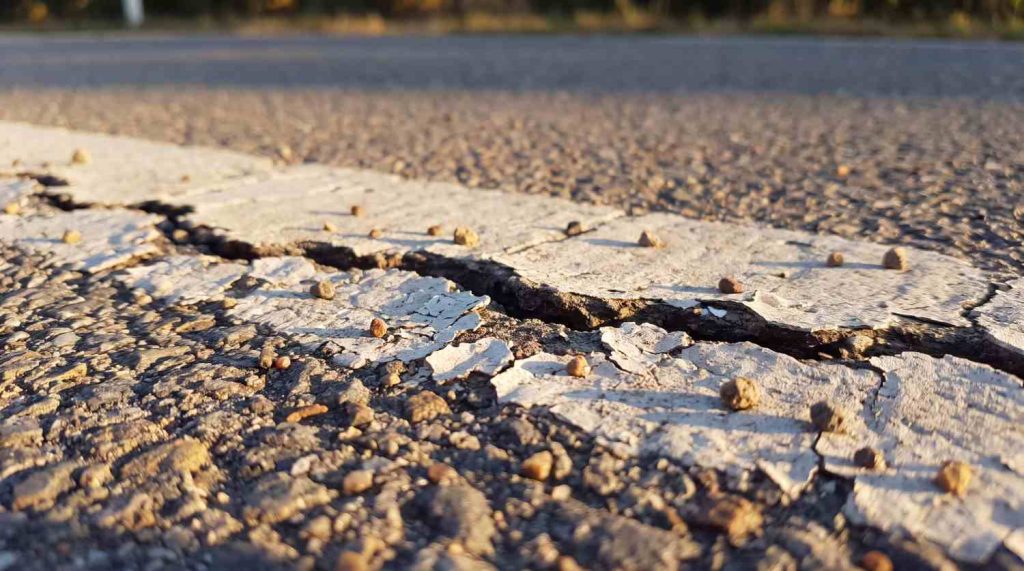
Physical evidence can change quickly after a loose gravel collision. Passing vehicles may scatter stones, weather can alter the road surface, and maintenance crews may remove debris to restore safe travel.
Documenting the scene as soon as it is safe can help preserve details that may be unavailable later.
Photographs and videos should show the broader roadway, including nearby signs, curves, lane markings, construction equipment, and the location of loose material.
Investigators may also examine:
- Tire marks, scuffing, and displaced gravel.
- Vehicle damage and debris patterns.
- Roadway slope, lighting, and visibility.
- Brake condition, tire condition, and available vehicle data.
- Motorcycle damage, protective equipment, and scrape marks.
Unlike ordinary pavement, loose gravel may not produce clearly defined skid marks. Instead, tire movement can leave disturbed stones, exposed pavement, or irregular scuff patterns.
These details may help explain braking, steering, and vehicle movement before a collision. However, evaluate road markings alongside witness accounts, vehicle damage, and other available evidence.
When physical gravel samples are needed, collect them safely and document them carefully. Injured motorists should never enter active traffic lanes or disturb a hazardous scene to obtain evidence.
The Federal Highway Administration’s Manual on Uniform Traffic Control Devices provides standards for traffic-control devices, including signs and temporary traffic controls. Applicable guidance may help investigators evaluate warnings used near construction areas.
Medical records are also important. Motorcycle or bicycle injuries may be significant even when vehicle damage appears limited. Keeping treatment records and documenting symptoms can help establish the collision’s effects.
An attorney can coordinate roadway evidence with medical documentation, witness statements, and other records to evaluate the accident circumstances.
What Happens When Loose Gravel Is Removed Before an Investigation?
Loose gravel may be cleared from a roadway before an injured person or attorney can inspect the scene. Road crews often need to remove hazardous material promptly to prevent additional accidents.
Removing gravel does not necessarily prevent an investigation. Other records may help establish what the roadway looked like before cleanup.
Photographs taken by motorists, police officers, witnesses, tow operators, or maintenance workers may provide valuable information.
Additional evidence may include:
- Emergency calls and dispatch records.
- Road maintenance requests and work orders.
- Street-sweeping schedules and cleanup reports.
- Traffic-camera and business surveillance footage.
- Contractor inspection reports and project communications.
A maintenance record may identify when crews arrived, what equipment was used, and how much material was removed. When resurfacing work was underway, project records may explain whether gravel was expected and what cleanup procedures applied.
The Federal Highway Administration’s Chip Seal Checklist outlines recommended procedures for removing excess aggregate after chip-seal work. The guidance addresses sweeping, surface inspections, and traffic management before roads return to unrestricted use. When gravel has already been removed, maintenance reports and cleanup records may help establish what work was performed and whether the procedures applicable to that project were followed.
An attorney may also compare witness descriptions with weather information, vehicle damage, photographs, and available roadway records.
When a public agency controls the road, obtaining documents may involve public-records requests or other legal procedures. Some information may be unavailable, withheld, or retained for only a limited period.
Because surveillance recordings and electronic records can be overwritten, early preservation requests may be important.
Heidari Law Group can review the remaining evidence and assess whether it supports a claim against a contractor, commercial vehicle operator, government agency, or other party.
Frequently Asked Questions
What should I do after a loose gravel accident?
Move to a safe location, call emergency services if needed, and seek appropriate medical care. If it is safe, photograph the road conditions, collect witness information, and preserve relevant documents.
What if the gravel was removed before I could take pictures?
Other evidence may still be available, including surveillance footage, police photographs, maintenance records, witness statements, and cleanup reports.
How can an attorney determine where the gravel came from?
An attorney may review construction records, truck routes, delivery documents, surveillance footage, and physical evidence to identify possible sources of the material.
Can more than one party be responsible for a gravel-related crash?
Yes. Depending on the evidence, rivers, contractors, commercial operators, or other parties may share responsibility. Nevada’s comparative negligence principles may affect how courts evaluate fault and whether you can recover compensation.

Free Case Evaluation 24/7
Contact Us
CASE RESULTS
$500,000
Rear-End Accidents
$500,000
Sideswipe Accidents
$1.1 Million
Head-On Accidents
$2.0 Million
T-Bone Accidents
$1.0 Million
Single-Vehicle Accidents
Case Results
$3.3 Million
Motorcycle Accident
$2.0 Million
Car accident
$1.4 Million
Brain Injury
$1.1 Million
Motor Vehicle Accident
Related ArticlesHeidari Law Group
- Las Vegas Car Accidents During Flash-Flood Conditions
- Car Accidents During Las Vegas Dust Storms
- Las Vegas Car Accidents Caused by Sun Glare
- Accidents Involving Disabled Vehicles Stopped on Las Vegas Highways
- Las Vegas Car Accidents Caused by Sudden Highway Traffic Slowdowns
- Accidents Caused by Faded or Incorrect Lane Markings in Las Vegas
- Highway Construction-Zone Car Accidents in Las Vegas
- Las Vegas Car Accidents Caused by Missing or Obstructed Road Signs