
A stalled vehicle on a busy Las Vegas highway can put drivers and passengers at risk. Heavy traffic, narrow shoulders, poor visibility, and mechanical failures can increase collision risk. When an accident occurs, determining responsibility often depends on where the vehicle stopped, whether its warning lights worked, and whether it could have been moved safely.
Towing delays and the actions of approaching motorists may also affect liability. Heidari Law Group can review the details of a stalled-vehicle accident in Las Vegas and explain how Nevada law may apply.
Understanding Liability in Las Vegas Stalled Highway Vehicle Accidents
A disabled vehicle can quickly become a hazard on Interstate 15, U.S. Route 95, or the 215 Beltway. Approaching drivers may have little time to react, even when the vehicle is partly off the road. These situations can lead to rear-end crashes, sideswipes, or secondary collisions.
If a vehicle stalls, the safest response depends on its location and surrounding traffic. When possible, drivers should reach the shoulder or a nearby exit. Nevada transportation agencies generally recommend the following precautions:
- Turn on hazard lights immediately.
- Move as far from traffic as safely possible.
- Call 911 if the vehicle blocks a lane or creates an immediate danger.
- Avoid standing behind, beside, or directly in front of the vehicle.
- Use caution when exiting, especially at night or in bad weather.
The Nevada Department of Transportation’s Move Over Law guidance explains that motorists approaching traffic incidents, including stalled vehicles, should slow down, use caution, and move into another lane when possible. These precautions help protect drivers, passengers, and emergency responders near stopped vehicles. Whether an approaching driver followed these safety measures may be relevant when reviewing a highway collision.
Several parties may share responsibility for a stalled-vehicle crash. Investigators and insurance companies may examine why the vehicle stopped, how long it remained on the road, and whether approaching motorists maintained a safe distance. Mechanical problems, road debris, construction, or another driver’s actions may also contribute.
A Las Vegas car accident lawyer can review these circumstances to help determine which parties may be responsible.
Under Nevada’s modified comparative negligence rules, shared fault can affect compensation. Anyone injured should seek medical care, even if symptoms initially seem minor.
Lawyer Review of Disabled Vehicle Placement on Las Vegas Highways
When investigating a disabled-vehicle crash, a lawyer will usually examine where the vehicle stopped. This includes whether it was in a traffic lane, on the shoulder, near an exit, in the median, or where lanes split or merge.
Stopping in a traffic lane does not automatically make a driver responsible. Attorneys may consider the vehicle’s mechanical condition, steering and power availability, road design, and whether the driver had a safe opportunity to move.
Evidence may include:
- Police reports, towing records, and repair inspections.
- Photographs, dash-camera footage, and 911 call records.
- Vehicle data showing speed or braking, when available.
- Measurements of vehicle placement and available road space.
Lighting can also affect an investigation. Hazard lights, headlights, reflective surfaces, and streetlights may appear different at night than during the day.
The National Weather Service explains that dust storms can develop suddenly and sharply reduce visibility, making driving conditions dangerous. In a Las Vegas highway collision, weather reports may help establish whether blowing dust affected what drivers could see before impact. Investigators should consider these conditions alongside the vehicle’s location, traffic patterns, and other available evidence.
Investigators may also examine the approaching driver’s speed, following distance, attention, and response to warning lights. Recent vehicle repairs, road hazards, or construction zones may provide additional evidence.
Heidari Law Group may gather records, review applicable Nevada law, and explain how shared fault could affect a claim. Filing deadlines may vary, particularly when a government agency or public roadway condition is involved.
Did Missing Hazard Warnings Contribute to the Crash? An Attorney’s Review
When a disabled vehicle is struck on a Las Vegas highway, attorneys may investigate whether approaching drivers had enough warning to avoid the collision. This includes checking whether hazard lights were working, visible, and activated before impact.
Missing warnings do not automatically establish fault. A sudden breakdown may leave little time to react, while an electrical failure could disable both the engine and warning lights. However, leaving a vehicle partially in a travel lane for an extended period without visible warnings may raise different concerns.
Attorneys must consider these circumstances alongside the approaching driver’s actions and available space to avoid the crash.
Nevada traffic rules guide roadway stopping, vehicle lighting, and safety precautions. Some mechanical failures make temporary stops unavoidable. The vehicle’s condition, location, time of day, and whether emergency responders were present may affect the review.
Warning-related evidence may include:
- Photographs and videos showing whether hazard lights worked.
- Dash-camera, traffic-camera, or nearby business footage.
- Inspections of bulbs, wiring, batteries, fuses, and reflective surfaces.
- Vehicle data, 911 recordings, roadside assistance logs, and towing records.
The Nevada Department of Transportation’s traffic camera system provides views of roadway conditions, congestion, and traffic incidents throughout the state. When recordings are available, camera footage may help investigators examine a stalled vehicle’s location, surrounding traffic, and visibility before a collision. However, live camera access does not necessarily mean the system recorded or preserved past footage.
Witness accounts may also differ. One person might report seeing no lights while another noticed them from a different angle. Blocked views, headlights, or electrical problems could explain these differences.
Inspecting the crash location under similar lighting and weather conditions may help establish what approaching drivers could see. Footage and weather reports should match the accident’s time and location.
Preserving the vehicle before major repairs or disposal may protect important evidence. Drivers should keep photographs, repair invoices, towing documents, roadside assistance communications, and replacement electrical parts or packaging. They should document what they observed rather than guess about whether the lights were working.
How Attorneys Assess Whether a Stalled Vehicle Could Be Moved
Determining whether a stalled vehicle could have been moved involves more than checking whether it could physically roll. Attorneys consider what the driver knew and could safely do when the problem occurred.
On Las Vegas highways, a vehicle may still have power but lack a clear path to the shoulder. Heavy traffic, barriers, ramps, limited road space, and passengers can affect the driver’s options.
The investigation often begins with the mechanical failure. Losing engine power may still allow steering and braking, although both can become harder to operate. Transmission problems, broken axles, damaged tires, overheating, electrical failures, or collision damage may create other limitations.
Attorneys may compare the driver’s account with dashboard warnings, phone records, roadside assistance calls, repair histories, and statements made shortly after the breakdown. Minor differences may result from stress or confusion.
A mechanical inspection can help determine whether the vehicle could move. Evidence may include:
- Engine restart capability, wheel movement, and tire condition.
- Steering and braking functionality.
- Diagnostic codes, onboard data, battery condition, and fluid loss.
- Photographs and towing operator observations.
Tow operators may explain whether they used wheel dollies, shifted the vehicle into neutral, or found damage that prevented movement. Early documentation matters because repairs and storage can change the vehicle’s condition.
Road design must also be considered. Attorneys may examine shoulder width, barriers, slopes, construction closures, traffic volume, lighting, and nearby exits.
Nevada Department of Transportation diagrams, traffic footage, incident logs, and photographs may help reconstruct the scene. Weather records can also show whether rain, wind, or dust affected visibility or vehicle control.
The main question is whether moving the vehicle was reasonably safe under the circumstances, not whether it could have moved under ideal conditions.
Timing is equally important. Video, 911 calls, dispatch records, location data, and witness statements may establish how long the vehicle remained stopped. A driver who loses power in heavy traffic may have only seconds to decide whether to stop or cross an occupied lane.
If the vehicle remained stationary longer, attorneys may examine whether additional warnings, traffic assistance, or another attempt to move became practical.
Nevada law generally recognizes that some disabled vehicles cannot be moved from the roadway immediately. Mechanical limitations, available time, and the risk of further movement may influence the legal review.
Can a Lawyer Investigate Towing Delays After a Highway Breakdown?
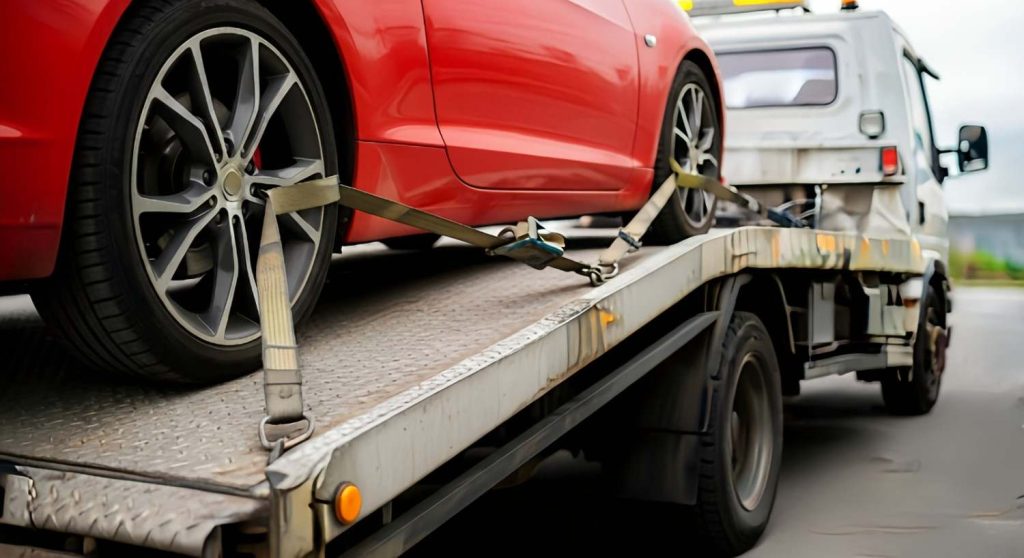
When a vehicle breaks down on a highway, the time between requesting help and removing it may become important if a collision occurs.
An attorney can investigate when the vehicle stopped, who received the request, what information was provided, and whether traffic or weather affected the response. The purpose is to establish an accurate timeline rather than assume that a delay was unreasonable.
Useful records may include:
- 911 recordings and emergency dispatch logs.
- Roadside assistance applications, text messages, and call histories.
- GPS data, towing invoices, and traffic-camera footage.
- Witness accounts and photographs showing lane blockage, warning lights, or emergency vehicles.
Preserve these records promptly because electronic information and video may be overwritten.
Towing delays can happen for several reasons. Dispatchers may need an accurate location, vehicle description, and confirmation that occupants are safe. Tow operators may face congestion, lane closures, equipment limitations, barriers, or severe weather.
Records may also show misrouted requests, missing dispatch information, repeated cancellations, or unexplained periods of inaction. Each situation requires evidence, not assumptions.
Responsibility may depend on who arranged the tow. The driver, an insurer, a roadside assistance program, law enforcement, or a public agency may have selected the provider. Different contracts, dispatch procedures, and safety requirements may apply.
Attorneys may request service agreements, dispatch notes, status updates, operator logs, and agency records to determine what assistance was requested. When a government entity or public roadway condition is involved, separate notice requirements or legal deadlines may apply.
A towing delay alone does not establish fault or a right to compensation. The investigation must determine whether the wait contributed to the collision.
Important questions include:
- Could the disabled vehicle have been moved safely?
- Was it visible to approaching drivers?
- Were hazard lights or other warnings available?
- How did approaching motorists respond?
- Did the delay increase the risk of a crash?
Nevada’s comparative negligence rules may require reviewing multiple parties’ actions.
A Las Vegas lawyer can investigate whether towing delays played a role without treating a long wait as proof of negligence. Heidari Law Group may review dispatch records, communications, and roadway evidence.
Frequently Asked Questions
Who Is Responsible if a Stalled Vehicle Causes an Accident in Las Vegas?
Responsibility depends on why the vehicle stopped, where it was, whether the warning lights worked, and how approaching drivers reacted. More than one driver or party may share fault. Nevada’s comparative negligence rules can affect compensation when responsibility is divided.
What Should I Do if My Car Breaks Down on a Las Vegas Highway?
If possible, move your vehicle safely onto the shoulder or take a nearby exit. Turn on your hazard lights and stay away from moving traffic. Call 911 if your vehicle blocks a lane or creates an immediate danger. Your safety should come before inspecting the vehicle.
Can a Driver Be at Fault for Not Moving a Disabled Vehicle?
Not necessarily. A sudden mechanical failure, heavy traffic, or limited shoulder space may prevent a driver from moving safely. Investigators may examine the vehicle’s condition, roadway layout, and whether moving it was reasonably possible.
Can Missing Hazard Lights Affect Fault in a Highway Accident?
Yes. Investigators may consider whether the hazard lights worked, were visible, and were activated before the collision. However, an electrical failure or sudden breakdown may prevent a driver from using them. Missing warnings alone do not automatically establish fault.

Free Case Evaluation 24/7
Contact Us
CASE RESULTS
$500,000
Rear-End Accidents
$500,000
Sideswipe Accidents
$1.1 Million
Head-On Accidents
$2.0 Million
T-Bone Accidents
$1.0 Million
Single-Vehicle Accidents
Case Results
$3.3 Million
Motorcycle Accident
$2.0 Million
Car accident
$1.4 Million
Brain Injury
$1.1 Million
Motor Vehicle Accident
Related ArticlesHeidari Law Group
- Accidents Caused by Loose Gravel on Las Vegas Roads
- Las Vegas Car Accidents During Flash-Flood Conditions
- Car Accidents During Las Vegas Dust Storms
- Las Vegas Car Accidents Caused by Sun Glare
- Las Vegas Car Accidents Caused by Sudden Highway Traffic Slowdowns
- Accidents Caused by Faded or Incorrect Lane Markings in Las Vegas
- Highway Construction-Zone Car Accidents in Las Vegas
- Las Vegas Car Accidents Caused by Missing or Obstructed Road Signs