

Catastrophic Injury Attorney in Bakersfield
In Bakersfield, catastrophic injuries can have a profound and lasting impact on individuals and their families. These injuries often involve long-term medical care, significant lifestyle changes, and ongoing financial challenges. Unlike minor injuries, catastrophic conditions may affect a person’s ability to work, maintain independence, or carry out daily activities.
$500,000
Premises Liability
$1.4 Million
Brain Injury
$3.3 Million
Motorcycle Accident
$2.0 Million
Car accident
$1.0 Million
Ride Share Accident
$1.1 Million
Motor Vehicle Accident
$110,000
Truck Accident
$500,000
Trip and Fall Accident
$1.0 Million
Medical Malpractice
$250,000
Airline Accident
Case Results
$3.3 Million
Motorcycle Accident
$2.0 Million
Car accident
$1.4 Million
Brain Injury
$1.1 Million
Motor Vehicle Accident
Accidents that lead to catastrophic injuries can occur in many settings, including roadways, workplaces, residential properties, and medical environments. The circumstances surrounding each incident vary, but the consequences often extend far beyond the initial event. Individuals may require extended treatment, rehabilitation, or adaptive care.
The legal process in these cases focuses on evaluating the cause of the injury, identifying responsible parties, and assessing the overall impact on the individual’s life. The team at Heidari Law Group works with individuals in Bakersfield to review incidents, organize documentation, and explain potential legal options under California law. Each case is analyzed based on its facts, evidence, and applicable legal standards.
Understanding Catastrophic Injuries and Their Long-Term Effects
A catastrophic injury is generally understood as a severe condition that results in long-term or permanent impairment. These injuries often require ongoing medical care and may significantly alter a person’s quality of life. The definition can vary depending on the legal and medical context, but the central concept involves substantial and lasting harm.
Common types of catastrophic injuries include:
- Traumatic brain injuries affect cognitive and neurological function
- Spinal cord injuries that may result in partial or complete paralysis
- Amputations or loss of limb function
- Severe burns or disfigurement
- Loss of vision or hearing
The effects of these injuries extend beyond physical limitations. Individuals may experience emotional challenges, changes in independence, and the need for long-term care. In some cases, assistive devices or in-home support services may become necessary.
Recovery is often a gradual and complex process. Some individuals regain partial function over time, while others require lifelong assistance. The extent of recovery depends on medical factors, treatment, and the nature of the injury.
Causes of Catastrophic Injuries in Bakersfield
Catastrophic injuries can result from a wide range of accidents. In Bakersfield, high traffic density, active construction zones, and diverse environments contribute to different types of risk scenarios.
Some of the most common causes include:
- Motor vehicle accidents involving cars, trucks, motorcycles, or pedestrians
- Workplace incidents, particularly in construction or industrial settings
- Falls caused by unsafe property conditions
- Medical errors or complications during treatment
- Defective products that fail during use
The severity of an injury often depends on the force of impact, environmental conditions, and individual health factors. For example, high-speed collisions may increase the likelihood of brain or spinal injuries, while unsafe premises may lead to severe falls.
In many situations, multiple factors contribute to an accident. These may include human error, mechanical issues, or environmental hazards. Understanding how these elements interact is an important part of evaluating the circumstances of the incident.
Legal Responsibility and Proving Negligence in Catastrophic Injury Cases
Establishing responsibility in a catastrophic injury case often involves analyzing whether negligence played a role. Negligence is a legal concept that focuses on whether a person or entity failed to exercise reasonable care under the circumstances.
Key elements that may be evaluated include:
- A duty of care owed to the injured individual
- A failure to meet that duty through action or omission
- A direct connection between that failure and the injury
- Measurable damages resulting from the incident
Duty of care can arise in many contexts. Drivers are expected to operate vehicles safely, property owners must maintain reasonably safe conditions, and professionals are required to meet established standards within their field.
The evaluation of negligence depends on the specific facts of the case. Evidence such as accident reports, witness statements, medical records, and expert analysis may help clarify how the incident occurred. In some cases, more than one party may share responsibility.
California follows a comparative fault system, meaning that responsibility can be divided among multiple parties. The outcome of a case depends on how fault is allocated and how the evidence supports each claim.
The team at Heidari Law Group assists individuals in Bakersfield by reviewing evidence, coordinating with experts, and explaining how negligence principles may apply.
Evaluating Damages and Long-Term Impact in Bakersfield Catastrophic Injury Cases
The impact of a catastrophic injury is often both immediate and long-term. Evaluating damages involves examining how the injury affects various aspects of a person’s life, including health, employment, and daily functioning.
Potential areas of evaluation may include:
- Medical expenses related to treatment and rehabilitation
- Future medical care and ongoing therapy
- Loss of income or reduced earning capacity
- Physical pain and ongoing discomfort
- Emotional and psychological effects
- Costs associated with in-home care or assistive devices
Each case is unique, and the scope of damages depends on the available evidence and the individual’s circumstances. Some individuals may require modifications to their living environment or ongoing assistance with daily tasks.
In cases involving the loss of a loved one due to catastrophic injuries, California law allows certain family members to evaluate wrongful death claims. These claims may involve both economic and non-economic considerations, such as financial support and the impact on family relationships.
It is important to note that no specific outcome can be guaranteed. Results depend on the facts of the case, the evidence presented, and the applicable law.
In Bakersfield, maintaining detailed records of medical treatment, expenses, and the effects of the injury can help provide a clearer understanding of the overall impact. The team at Heidari Law Group supports individuals by organizing documentation, reviewing damages, and explaining available legal options.
Important Considerations After a Catastrophic Injury in Bakersfield
After a serious injury, individuals and families may face a range of decisions related to medical care, financial planning, and legal options. Taking organized steps can help preserve information and support future evaluations.
Considerations may include:
- Seeking immediate and ongoing medical care
- Preserving documentation related to the accident
- Recording symptoms and treatment progress
- Reviewing insurance coverage and benefits
Time is also an important factor. In California, legal claims are subject to specific deadlines, which may vary depending on the nature of the case and the parties involved. Understanding these timelines can help individuals evaluate their options more effectively.
The process of recovery often involves both physical and emotional adjustments. Accessing appropriate medical and support resources can be an important part of this process.
The team at Heidari Law Group works with individuals in Bakersfield to help organize information, review circumstances, and explain potential next steps under California law. This approach focuses on providing clarity and support while respecting each individual’s situation.
Frequently Asked Questions
Who may be responsible for a catastrophic injury?
Responsibility may involve drivers, property owners, employers, manufacturers, or other parties, depending on how the injury occurred.
What damages may be considered in a catastrophic injury case?
Damages may include medical expenses, future care, lost income, reduced earning capacity, and the overall impact on daily life.
Can I still recover damages if I was partially at fault?
California follows a comparative fault system, which means responsibility may be shared and could affect the amount of recovery.
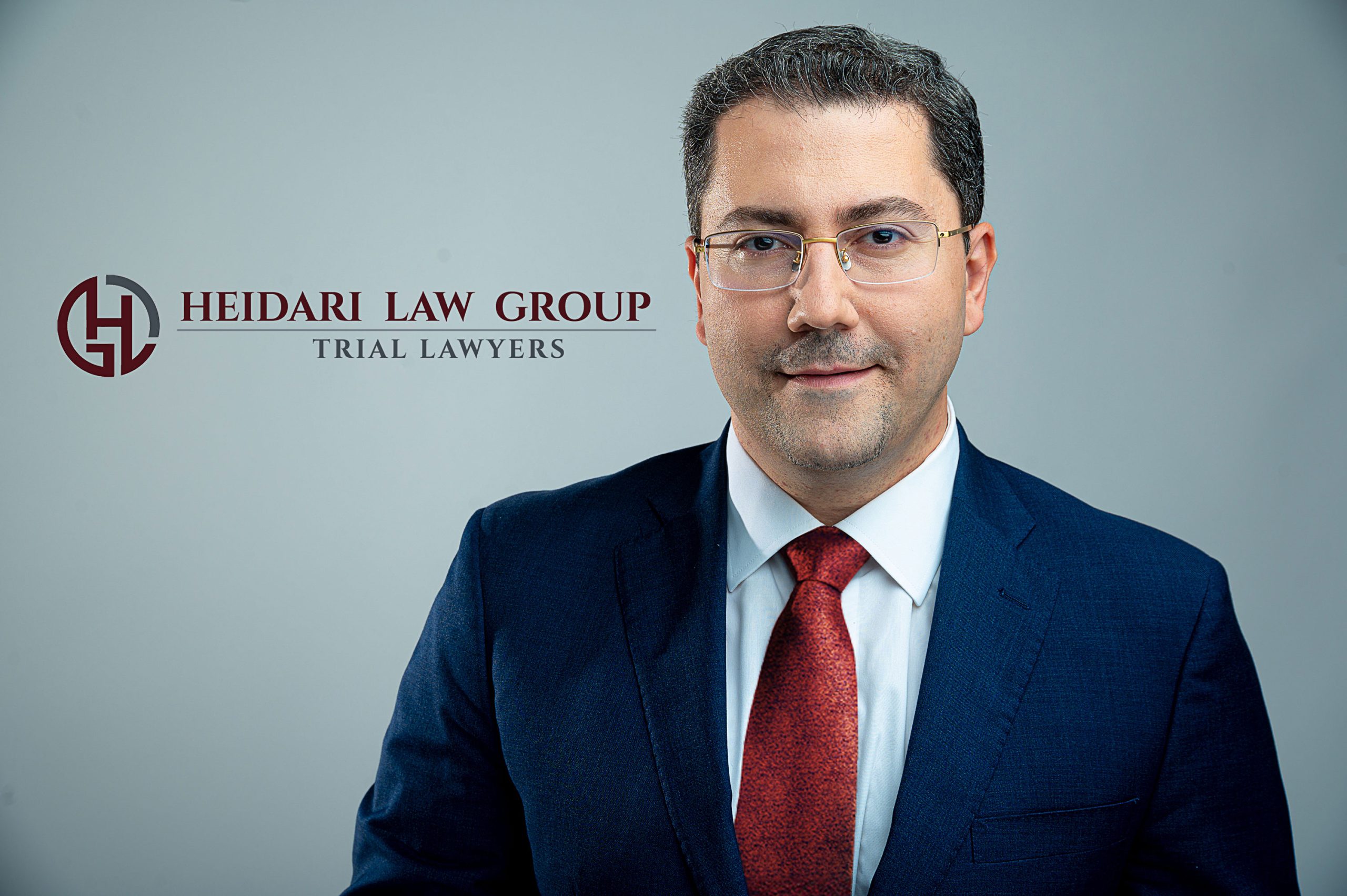
Sam Ryan Heidari
Sam Heidari is the founding principal of Heidari Law Group, a law firm specializing in personal injury, wrongful death, and employment law. Sam Heidari has been practicing law for over 11 years and handles a wide range of cases including car accidents, wrongful death, employment discrimination, and product liability. The Heidari Law Group legal firm is known for its comprehensive approach, handling cases from initial consultation through to final judgment. Sam Heidari is dedicated to community involvement and advocacy for civil liberties.
Contact Us
24/7 Free Case Evaluation
Serious Representation, Real Results
Los Angeles Office
3530 Wilshire Blvd. Suite 710 Los Angeles, CA 90010 Tel: 213-884-4881Fax: 213-884-4588
info@HeidariLawGroup.comIrvine Office
17875 Von Karman Ave. Suite 150 & 250 Irvine, CA 92614 Tel: 949-239-1020Fax: 949-239-1021
info@HeidariLawGroup.comSacramento Office
180 Promenade Cir Ste 300 Sacramento, CA 95834 Tel: 916-461-1818Fax: 916-461-9797
info@HeidariLawGroup.comBakersfield Office
3501 Mall View Rd Suite 105 Bakersfield, CA 93306 Tel: 661-409-0000Fax: 916-461-9797
info@HeidariLawGroup.comLas Vegas Office
611 S 6th Street Las Vegas, NV 89101 Tel: 702-722-1500Fax: 702-722-1600
info@HeidariLawGroup.com