
Los Angeles
Car Accident
Attorneys
Car accidents remain one of the most common sources of serious injury across Los Angeles. The city’s dense traffic patterns, expansive freeway systems, and high daily vehicle volume create conditions where collisions can occur in a matter of seconds. Even a relatively minor crash can lead to physical injuries, financial disruption, and prolonged recovery.
$500,000
Premises Liability
$1.4 Million
Brain Injury
$3.3 Million
Motorcycle Accident
$2.0 Million
Car accident
$1.0 Million
Ride Share Accident
$1.1 Million
Motor Vehicle Accident
$110,000
Truck Accident
$500,000
Trip and Fall Accident
$1.0 Million
Medical Malpractice
$250,000
Airline Accident
Case Results
$3.3 Million
Motorcycle Accident
$2.0 Million
Car accident
$1.4 Million
Brain Injury
$1.1 Million
Motor Vehicle Accident
Motorists in Los Angeles face a mix of challenges that contribute to accident risk. Congestion, distracted driving, and unpredictable traffic flow can increase the likelihood of collisions. When an accident occurs, the impact often extends beyond the immediate moment, affecting medical needs, employment, and overall quality of life.
Understanding how California law applies to car accident claims can help individuals make informed decisions. Liability, damages, and available legal options depend on the facts of each case and the evidence supporting those facts.
- High traffic density increases the likelihood of collisions
- Injuries may result in both short-term and long-term consequences
- Legal claims depend on fault, evidence, and applicable laws
Common Types of Car Accidents in Los Angeles
Intersection-related crashes are frequent due to traffic signals, turning movements, and visibility limitations. Rear-end collisions occur regularly in congested traffic, while high-speed freeway accidents may involve multiple vehicles.
Certain accident types appear consistently in legal claims and require careful analysis:
- T-bone collisions involving side-impact crashes at intersections
- Rear-end collisions often associated with following too closely or inattention
- Sideswipe accidents during lane changes or merging traffic
- Head-on collisions involving opposing traffic lanes
- Vehicle rollovers typically linked to high-speed or single-vehicle incidents
- Single-vehicle accidents caused by driver error, road hazards, or mechanical issues
Each scenario presents unique questions regarding fault, causation, and potential liability.
Determining Liability Under California Law
California operates under an at-fault system for car accidents. Establishing responsibility requires demonstrating that a party failed to act with reasonable care and that this failure contributed to the collision.
In cases involving hazardous road conditions, responsibility may extend to the agency responsible for maintaining the roadway. These claims involve different procedures and shorter deadlines.
Compensation Considerations After a Car Accident
After a car accident, individuals often face financial and personal challenges that require careful evaluation. California law allows injured individuals to seek compensation when another party contributed to the incident, based on the facts of the case.
Several categories of damages may be considered:
- Medical expenses, including emergency care, treatment, and rehabilitation
- Lost income and potential reduction in earning capacity
- Property damage involving vehicle repair or replacement
- Physical pain and emotional distress related to the accident
California Statute of Limitations for Car Accident Claims
Understanding legal deadlines is an important part of evaluating any car accident claim in Los Angeles. In California, the statute of limitations establishes the timeframe within which a person may file a lawsuit for injuries or damages resulting from a collision.
For most personal injury cases arising from car accidents, the general deadline is two years from the date of the accident. If the claim involves property damage only, the timeframe is typically three years. Failing to file within these periods may limit the ability to pursue compensation through the court system.
Different rules may apply when a government entity is involved. If a public agency, such as a city or state department, is potentially responsible due to roadway conditions or other factors, a formal claim is generally required within a much shorter period, often within six months of the incident.
Several factors can affect how these deadlines are applied. Certain exceptions may extend or shorten the timeframe depending on the circumstances, such as when the injured person is a minor or when the injury was not immediately discovered.
- Personal injury claims are generally subject to a two-year deadline
- Property damage claims typically allow up to three years
- Claims involving public entities may require action within about six months
- Specific circumstances may affect how deadlines are calculated
Because these timelines can impact available legal options, it is important to understand how they apply to a particular situation. The team at Heidari Law Group provides information based on the facts of each case and explains how California law may affect the timing of a claim.
How Heidari Law Group Assists Clients in Los Angeles
Navigating a car accident claim involves multiple steps, from medical care to communication with insurance carriers. Understanding available options and applicable deadlines can help individuals approach the process with greater clarity.
Heidari Law Group provides guidance based on a case-specific approach. Each matter is reviewed individually, with attention to evidence, liability, and applicable California law.
After an accident, certain actions may help preserve important information and support a claim:
- Seeking prompt medical attention and following treatment recommendations
- Documenting the accident scene, injuries, and property damage
- Reporting the incident to law enforcement
- Maintaining records of medical care, expenses, and missed work
It is generally advisable to avoid making statements about fault immediately after a collision. A full understanding of the circumstances often requires further investigation.
Legal deadlines also play a significant role. In California, personal injury claims are typically subject to a two-year statute of limitations. Claims involving government entities may require earlier notice.
The role of legal guidance is to provide clarity and structure. By explaining procedures, timelines, and potential outcomes, individuals can better understand how to move forward based on their specific situation.
Frequently Asked Questions
How long do I have to file a car accident claim in California?
In most cases, you have two years from the date of the accident for personal injury claims. Property damage claims typically allow up to three years. If a government entity is involved, shorter deadlines may apply.
Who can be held responsible for a car accident?
Liability may involve one or more parties, including drivers, employers, vehicle owners, or public entities, depending on the circumstances.
Can I recover compensation if I was partially at fault?
Yes. California follows a comparative negligence system, which means compensation may be reduced based on your percentage of fault.
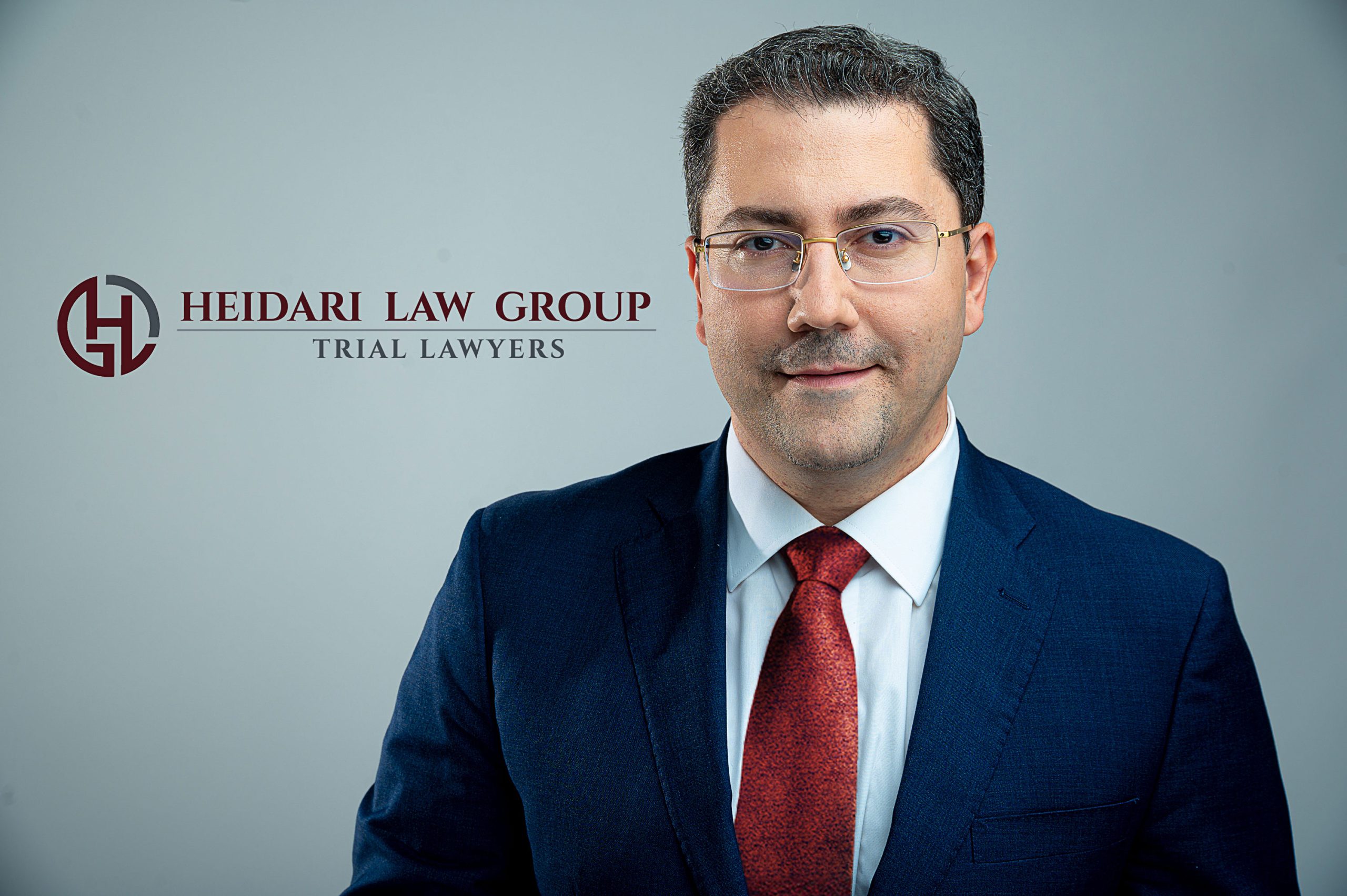
Sam Ryan Heidari
Sam Heidari is the founding principal of Heidari Law Group, a law firm specializing in personal injury, wrongful death, and employment law. Sam Heidari has been practicing law for over 11 years and handles a wide range of cases including car accidents, wrongful death, employment discrimination, and product liability. The Heidari Law Group legal firm is known for its comprehensive approach, handling cases from initial consultation through to final judgment. Sam Heidari is dedicated to community involvement and advocacy for civil liberties.
Contact Us
24/7 Free Case Evaluation
Serious Representation, Real Results
Los Angeles Office
3530 Wilshire Blvd. Suite 710 Los Angeles, CA 90010 Tel: 213-884-4881Fax: 213-884-4588
info@HeidariLawGroup.comIrvine Office
17875 Von Karman Ave. Suite 150 & 250 Irvine, CA 92614 Tel: 949-239-1020Fax: 949-239-1021
info@HeidariLawGroup.comSacramento Office
180 Promenade Cir Ste 300 Sacramento, CA 95834 Tel: 916-461-1818Fax: 916-461-9797
info@HeidariLawGroup.comBakersfield Office
3501 Mall View Rd Suite 105 Bakersfield, CA 93306 Tel: 661-409-0000Fax: 916-461-9797
info@HeidariLawGroup.comLas Vegas Office
611 S 6th Street Las Vegas, NV 89101 Tel: 702-722-1500Fax: 702-722-1600
info@HeidariLawGroup.com