
Los Angeles Bad Faith Insurance Lawyers
Insurance is meant to provide financial protection and stability during unexpected events. In Los Angeles, individuals and businesses rely on insurance policies after car accidents, property damage, health issues, and other losses. When an insurance company fails to handle a claim fairly, it can create additional financial strain and uncertainty for the policyholder.
$500,000
Premises Liability
$1.4 Million
Brain Injury
$3.3 Million
Motorcycle Accident
$2.0 Million
Car accident
$1.0 Million
Ride Share Accident
$1.1 Million
Motor Vehicle Accident
$110,000
Truck Accident
$500,000
Trip and Fall Accident
$1.0 Million
Medical Malpractice
$250,000
Airline Accident
Case Results
$3.3 Million
Motorcycle Accident
$2.0 Million
Car accident
$1.4 Million
Brain Injury
$1.1 Million
Motor Vehicle Accident
California law requires insurance companies to act in good faith and deal fairly with their policyholders. When an insurer delays, denies, or underpays a valid claim without a reasonable basis, the policyholder may have the right to pursue a bad faith insurance claim. The legal team at Heidari Law Group works with clients in Los Angeles to evaluate whether an insurance company’s conduct meets the legal standard for bad faith and to explain the options available under California law.
Insurance disputes often involve complex policy language, detailed claim procedures, and ongoing communication with insurers that may feel overwhelming. Heidari Law Group assists clients by reviewing policy terms, analyzing insurer conduct, and identifying whether the actions taken align with California’s legal requirements. This process helps policyholders better understand their position and determine appropriate next steps.
Understanding Bad Faith Insurance in Los Angeles
Bad faith insurance refers to situations where an insurance company does not fulfill its legal obligation to act fairly and honestly toward its policyholder. In California, every insurance contract includes an implied covenant of good faith and fair dealing. This means the insurer must evaluate claims reasonably and cannot place its own financial interests above the rights of the policyholder.
In Los Angeles, bad faith claims can arise in many types of insurance policies, including auto, health, property, disability, and life insurance. These disputes often involve disagreements over coverage, claim value, or the handling of the investigation.
Common examples of conduct that may raise concerns include:
- Delaying the investigation or payment of a claim without a reasonable explanation
- Failing to conduct a thorough and fair investigation
- Denying benefits without properly reviewing available evidence
- Misrepresenting policy terms or coverage provisions
Our law firm supports clients by carefully examining the insurer’s actions and comparing them against California legal standards. By identifying patterns of delay, denial, or misrepresentation, the firm helps clients determine whether further legal action may be appropriate.
Types of Bad Faith Claims in Los Angeles
Bad-faith insurance claims in Los Angeles are generally divided into first-party and third-party claims. The distinction depends on the relationship between the policyholder and the claim being handled.
First-party claims involve disputes between the policyholder and their own insurance company. These claims arise when an individual seeks benefits directly under their policy. Third-party claims involve situations where the insurance company has a duty to defend or indemnify the policyholder against claims made by others.
Examples of first-party issues may include:
- Failure to pay or underpayment of benefits owed under the policy
- Denial of coverage despite supporting documentation
- Inadequate or incomplete claim investigation
- Improper handling of property, health, or disability claims
Examples of third-party issues may include:
- Failure to provide a legal defense when required by the policy
- Refusal to address claims within policy limits when appropriate
- Failure to pay defense costs or settlement obligations
Heidari Law Group evaluates both first-party and third-party claims by reviewing documentation, communications, and policy obligations. This detailed approach helps identify whether the insurer met its duties under California law.
What Must Be Proven in a Bad Faith Insurance Case
To pursue a bad faith claim in California, a policyholder generally must show that the insurance company failed to meet its legal obligations under the policy and that the conduct was unreasonable. This requires more than showing that a claim was denied.
Courts often evaluate whether the insurer had a reasonable basis for its decision and whether it conducted a proper investigation before reaching that decision. Evidence may include claim files, internal communications, expert evaluations, and policy language.
Key elements that are commonly considered include:
- Whether benefits were owed under the insurance policy
- Whether the insurer’s denial, delay, or underpayment lacked a reasonable basis
- Whether the insurer conducted a fair and timely investigation
- Whether the policyholder experienced harm as a result
Heidari Law Group assists clients by organizing and analyzing this evidence to build a clear understanding of the claim. This process can help determine whether the legal elements required for a bad faith case may be present.
Compensation and Damages in Bad Faith Insurance Cases
When a bad faith claim is established, California law may allow the policyholder to recover certain types of damages. These damages are intended to address both financial losses and the broader impact of the insurer’s conduct.
The types of damages that may be available depend on the facts of the case and the nature of the harm experienced. Courts will typically look at how the insurance company handled the claim, whether the delay or denial was reasonable, and how the policyholder was affected as a result.
Examples of potential damages include:
- Benefits that should have been paid under the insurance policy
- Financial losses resulting from delays or denials
- Emotional distress related to the handling of the claim
- Additional damages in cases involving more serious misconduct
In some situations, policyholders may also incur out-of-pocket expenses that would not have occurred if the claim had been handled properly. These can include costs related to temporary housing, medical treatment, or business interruptions. The financial strain caused by delayed or denied benefits can extend beyond immediate expenses and affect long-term financial stability.
California courts may also consider whether the insurer’s conduct caused unnecessary hardship or placed the policyholder in a more vulnerable position. This broader evaluation allows the legal system to account for both measurable financial losses and the personal impact of the situation.
The team at Heidari Law Group works with clients to identify and document these losses. By carefully reviewing records, communications, and supporting evidence, the firm helps ensure that all relevant factors are considered when pursuing recovery under California law.
Legal Guidance for Bad Faith Insurance Claims in Los Angeles
Bad-faith insurance cases in Los Angeles often require careful legal and factual analysis. Policyholders may need to review complex contracts, gather supporting documentation, and respond to insurer defenses.
Insurance companies typically have legal teams and claims professionals evaluating disputes from the outset. Having legal representation can help level the playing field and provide clarity throughout the process.
The team at Heidari Law Group assists clients in Los Angeles by providing structured guidance tailored to each case. This support may include:
- Reviewing insurance policies and claim histories
- Identifying potential bad faith conduct
- Communicating with insurance representatives
- Preparing claims for negotiation or litigation when appropriate
Clear communication, timely updates, and a detailed understanding of each case help clients make informed decisions about how to proceed. Taking action within applicable legal deadlines is important, and early evaluation can help preserve key evidence and strengthen a potential claim under California law.
Frequently Asked Questions
How do I know if my insurance company is acting in bad faith?
If your claim is being delayed without explanation, denied despite supporting evidence, or not properly investigated, these may be signs of bad faith. Each situation should be reviewed based on the specific facts and policy terms.
Can I take legal action against my insurance company in California?
In certain situations, policyholders may have the right to pursue legal action if an insurer’s conduct meets the legal standard for bad faith. A review of your policy and claim history can help determine available options.
What types of insurance claims can involve bad faith?
Bad faith issues can arise in many types of insurance, including auto, health, property, disability, life, and business insurance policies.
What damages may be available in a bad-faith claim?
Depending on the case, damages may include unpaid policy benefits, financial losses caused by delays, and other impacts related to how the claim was handled.
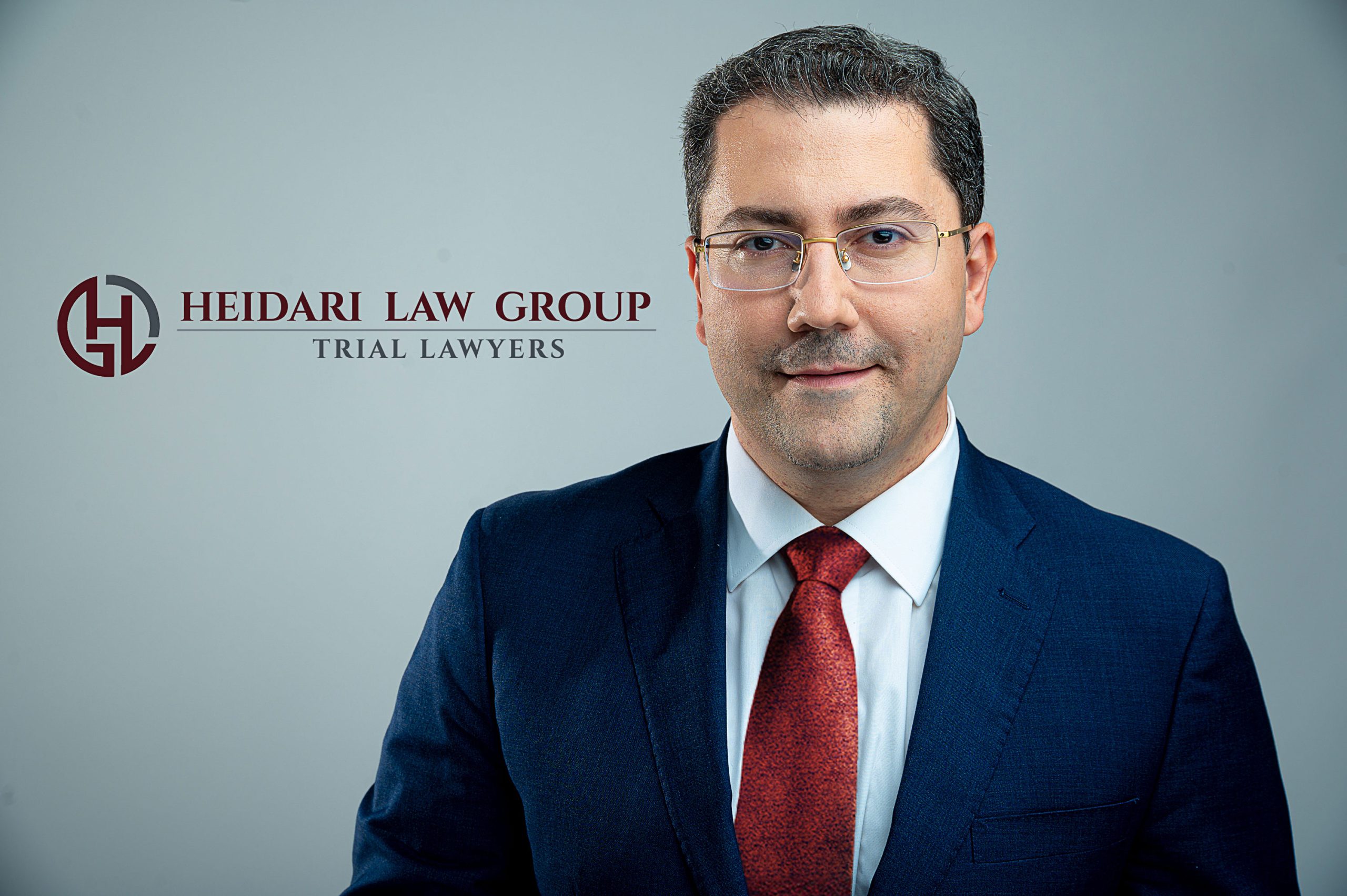
Sam Ryan Heidari
Sam Heidari is the founding principal of Heidari Law Group, a law firm specializing in personal injury, wrongful death, and employment law. Sam Heidari has been practicing law for over 11 years and handles a wide range of cases including car accidents, wrongful death, employment discrimination, and product liability. The Heidari Law Group legal firm is known for its comprehensive approach, handling cases from initial consultation through to final judgment. Sam Heidari is dedicated to community involvement and advocacy for civil liberties.
Contact Us
24/7 Free Case Evaluation
Serious Representation, Real Results
Los Angeles Office
3530 Wilshire Blvd. Suite 710 Los Angeles, CA 90010 Tel: 213-884-4881Fax: 213-884-4588
info@HeidariLawGroup.comIrvine Office
17875 Von Karman Ave. Suite 150 & 250 Irvine, CA 92614 Tel: 949-239-1020Fax: 949-239-1021
info@HeidariLawGroup.comSacramento Office
180 Promenade Cir Ste 300 Sacramento, CA 95834 Tel: 916-461-1818Fax: 916-461-9797
info@HeidariLawGroup.comBakersfield Office
3501 Mall View Rd Suite 105 Bakersfield, CA 93306 Tel: 661-409-0000Fax: 916-461-9797
info@HeidariLawGroup.comLas Vegas Office
611 S 6th Street Las Vegas, NV 89101 Tel: 702-722-1500Fax: 702-722-1600
info@HeidariLawGroup.com