

Work-Related Injury Attorney in Los Angeles
Work-related injuries can disrupt every aspect of a person’s life. In Los Angeles, where industries range from construction and transportation to healthcare and education, employees face a wide spectrum of occupational risks. An injury on the job can lead to medical treatment, time away from work, and uncertainty about income and recovery. California law provides a system designed to address these challenges through workers’ compensation benefits.
$500,000
Premises Liability
$1.4 Million
Brain Injury
$3.3 Million
Motorcycle Accident
$2.0 Million
Car accident
$1.0 Million
Ride Share Accident
$1.1 Million
Motor Vehicle Accident
$110,000
Truck Accident
$500,000
Trip and Fall Accident
$1.0 Million
Medical Malpractice
$250,000
Airline Accident
Case Results
$3.3 Million
Motorcycle Accident
$2.0 Million
Car accident
$1.4 Million
Brain Injury
$1.1 Million
Motor Vehicle Accident
Workers’ compensation is a no-fault system. Employees generally do not need to prove negligence to receive benefits. The focus is on whether the injury or illness arose out of and occurred during the course of employment. This framework allows injured workers to access medical care and certain financial benefits without the need to establish fault, though the process can still involve disputes over eligibility, medical findings, and benefit levels.
At Heidari Law Group, individuals receive guidance on how California workers’ compensation laws apply to their situation. Each case requires a review of employment records, medical documentation, and the circumstances surrounding the injury.
- Workers’ compensation is generally a no-fault system under California law
- Benefits may include medical care and wage replacement
- Eligibility depends on whether the injury is work-related
- Disputes may arise regarding medical findings or benefit amounts
Common Types of Work-Related Injuries in Los Angeles
Workplace injuries in Los Angeles vary widely depending on the nature of the job and the environment in which tasks are performed. Physical labor roles may expose workers to immediate hazards, while office-based roles can lead to repetitive stress conditions over time. Understanding the type of injury is an important step in evaluating a workers’ compensation claim.
Many injuries result from preventable conditions, including unsafe equipment, inadequate training, or failure to follow safety protocols. Others occur despite precautions, reflecting the inherent risks present in certain occupations.
Common injuries seen in Los Angeles workplaces include both acute trauma and cumulative conditions that develop gradually.
- Traumatic injuries such as head injuries, fractures, and back injuries
- Repetitive stress injuries affecting wrists, shoulders, or joints
- Exposure-related illnesses from hazardous materials or environments
- Slips, trips, and falls on unsafe surfaces
The severity of these injuries can range from temporary discomfort to long-term or permanent impairment. Medical evaluation plays a central role in determining the extent of the injury and the appropriate course of treatment.
How Workers’ Compensation Benefits Work in California
Workers’ compensation benefits are designed to provide support while an injured employee recovers. In Los Angeles, these benefits are governed by California law and administered through a structured system that includes employers, insurance carriers, and medical providers.
The process typically begins with reporting the injury to the employer. Timely reporting is important, as delays may affect eligibility. Once reported, the employer’s insurance carrier reviews the claim and determines whether benefits will be provided.
Workers’ compensation benefits may include several categories, each addressing a different aspect of the injury’s impact.
- Medical treatment related to the work injury
- Temporary disability benefits to offset lost wages
- Permanent disability benefits if a lasting impairment exists
- Supplemental job displacement benefits in certain situations
Employees may also be required to attend medical evaluations to assess the extent of their injury and recovery progress. Disputes can arise over these evaluations, which may lead to additional review or hearings within the workers’ compensation system.
Legal Considerations and Potential Disputes in Work Injury Claims
Although workers’ compensation is intended to provide timely support, the process is not always straightforward. In Los Angeles, disputes may arise regarding whether the injury is work-related, the severity of the condition, or the level of benefits provided.
Employers and insurance carriers may question claims based on medical evidence, reporting timelines, or inconsistencies in documentation. These challenges can create uncertainty for injured workers who are already dealing with recovery.
Certain cases may involve additional legal considerations. While workers’ compensation is generally the exclusive remedy against an employer, there are situations where a separate claim may be considered against a third party. For example, if defective equipment contributed to the injury, a manufacturer may be evaluated under product liability principles.
- Disputes may involve medical evaluations and benefit eligibility
- Timelines for reporting and filing claims are strictly enforced
- Third-party liability may exist in limited circumstances
- Documentation and evidence are central to resolving claims
Heidari Law Group assists individuals in understanding these issues and navigating the workers’ compensation process based on the specific facts of their case.
Filing Deadlines, Recovery, and Next Steps After a Workplace Injury
Understanding the applicable timelines is essential in any workers’ compensation case. In California, employees are generally required to report a workplace injury within 30 days. Filing a formal claim typically must occur within one year of the date of injury. Missing these deadlines may affect eligibility for benefits.
Recovery from a workplace injury can vary significantly depending on the severity of the condition. Some individuals return to work within a short period, while others may require extended treatment or face permanent limitations. Planning for recovery involves both medical care and consideration of financial stability during the healing process.
Taking appropriate steps after an injury can help protect both health and legal rights. Prompt action ensures that documentation is preserved and that the claim process begins within the required timeframe.
- Report the injury to the employer as soon as possible
- Seek medical evaluation and follow treatment recommendations
- Maintain records of medical care and work limitations
- Be aware of deadlines for filing and pursuing benefits
The team at Heidari Law Group works with a case-specific approach, helping individuals in Los Angeles understand their options and navigate the process under California law.
Frequently Asked Questions
What benefits may be available through workers’ compensation?
Benefits may include medical treatment, temporary disability payments, permanent disability benefits, and other support depending on the circumstances.
Can my claim be denied?
Yes. Claims may be denied for various reasons, including disputes over whether the injury is work-related or issues with documentation. Denials may be reviewed or appealed.
Can I file a lawsuit for a workplace injury?
In most cases, workers’ compensation is the exclusive remedy against an employer. However, claims against third parties may be possible in certain situations.
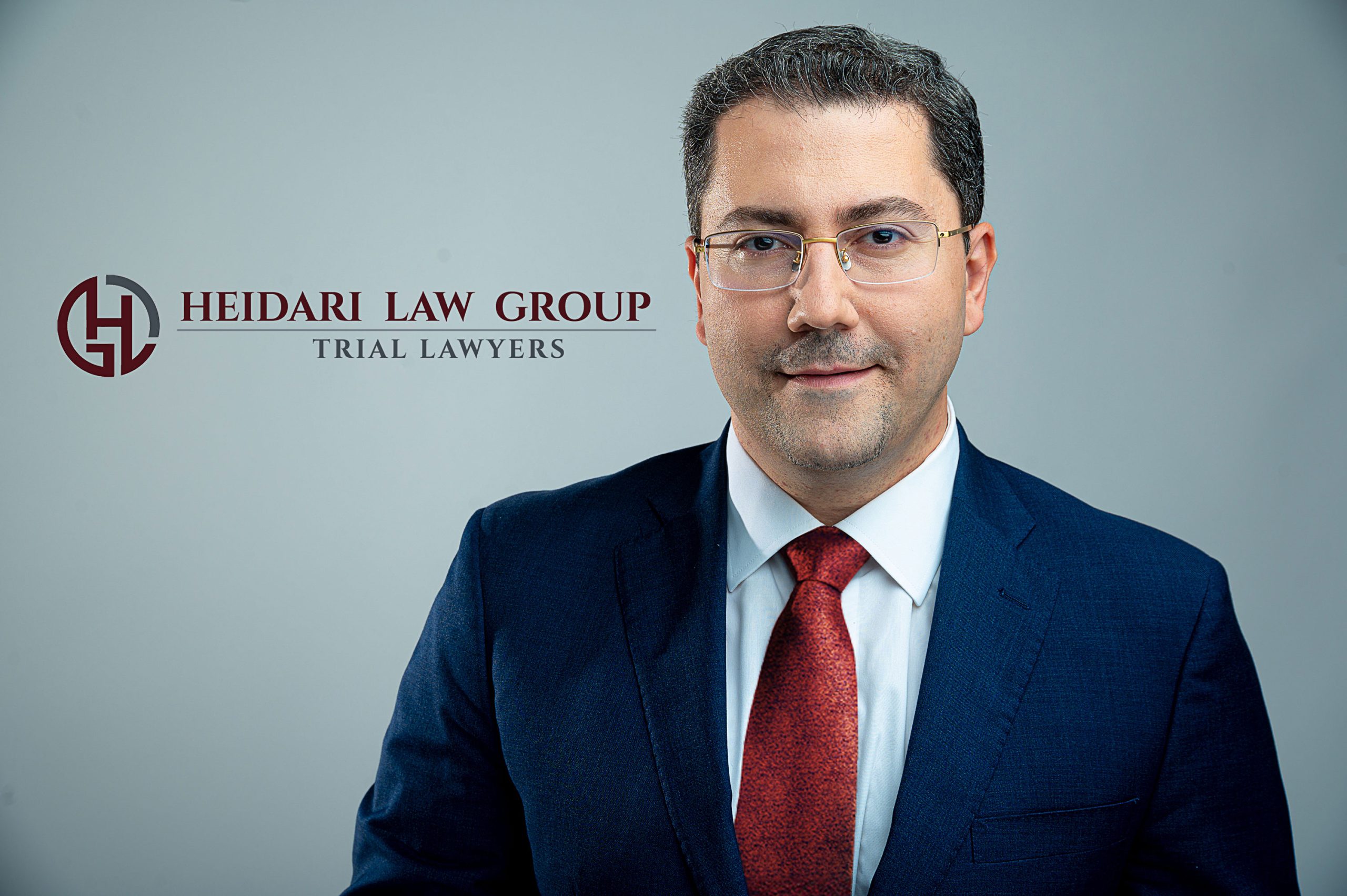
Sam Ryan Heidari
Sam Heidari is the founding principal of Heidari Law Group, a law firm specializing in personal injury, wrongful death, and employment law. Sam Heidari has been practicing law for over 11 years and handles a wide range of cases including car accidents, wrongful death, employment discrimination, and product liability. The Heidari Law Group legal firm is known for its comprehensive approach, handling cases from initial consultation through to final judgment. Sam Heidari is dedicated to community involvement and advocacy for civil liberties.
Contact Us
24/7 Free Case Evaluation
Serious Representation, Real Results
Los Angeles Office
3530 Wilshire Blvd. Suite 710 Los Angeles, CA 90010 Tel: 213-884-4881Fax: 213-884-4588
info@HeidariLawGroup.comIrvine Office
17875 Von Karman Ave. Suite 150 & 250 Irvine, CA 92614 Tel: 949-239-1020Fax: 949-239-1021
info@HeidariLawGroup.comSacramento Office
180 Promenade Cir Ste 300 Sacramento, CA 95834 Tel: 916-461-1818Fax: 916-461-9797
info@HeidariLawGroup.comBakersfield Office
3501 Mall View Rd Suite 105 Bakersfield, CA 93306 Tel: 661-409-0000Fax: 916-461-9797
info@HeidariLawGroup.comLas Vegas Office
611 S 6th Street Las Vegas, NV 89101 Tel: 702-722-1500Fax: 702-722-1600
info@HeidariLawGroup.com