

Concert and Live Event Injury Attorney in Las Vegas
Injured at a concert or live event in Las Vegas? Call our personal injury attorneys as soon as possible so that we can help.
$500,000
Premises Liability
$1.4 Million
Brain Injury
$3.3 Million
Motorcycle Accident
$2.0 Million
Car accident
$1.0 Million
Ride Share Accident
$1.1 Million
Motor Vehicle Accident
$110,000
Truck Accident
$500,000
Trip and Fall Accident
$1.0 Million
Medical Malpractice
$250,000
Airline Accident
Case Results
$3.3 Million
Motorcycle Accident
$2.0 Million
Car accident
$1.4 Million
Brain Injury
$1.1 Million
Motor Vehicle Accident
Concert and Live Event Injury Attorney in Las Vegas, Nevada
Attending a concert or live event is meant to be an unforgettable experience. The energy of the crowd, the excitement of seeing a favorite artist perform, and the unique atmosphere of live entertainment often cause people to let their guard down. Unfortunately, these environments can also increase the risk of accidents. Overcrowding, inadequate security, unsafe venues, poor lighting, or alcohol-related incidents can all lead to serious injuries for attendees.
Las Vegas hosts concerts, festivals, sporting events, and live performances every day, making it one of the most active entertainment destinations in the country. With such a high volume of events, the risk of injury increases significantly. When an accident occurs, liability does not always rest solely with the event organizer. Depending on the circumstances, responsibility may extend to venue owners, security companies, promoters, vendors, or other third parties whose negligence contributed to unsafe conditions.
If you or a loved one were injured at a concert or live event in Las Vegas, it is important to understand your legal options. Seeking guidance from a legal team familiar with Nevada personal injury law can help clarify who may be held responsible and what steps should be taken to protect your rights. Heidari Law Group assists individuals injured at live events by evaluating each case, identifying potentially liable parties, and communicating with insurance carriers on behalf of injured clients.
Our Las Vegas attorneys focus on personal injury matters and understand the complexities that often arise in concert and live event injury claims. These cases may involve multiple insurance policies, corporate defendants, or disputes over crowd control and safety procedures. Having legal representation can help ensure that claims are handled properly and that all relevant evidence is preserved and reviewed.
Common Causes of Concert and Live Event Injuries
Injuries at live events often result from preventable hazards. These may include unsafe seating or staging, overcrowding, inadequate security, insufficient emergency exits, or failure to control aggressive or intoxicated attendees. Slips and falls, trampling incidents, falling objects, and assaults are among the more frequent scenarios reported at large venues.
What to Do After a Live Event Injury
After an injury, seeking medical attention should always be the priority, even if symptoms appear minor at first. Documenting the incident, gathering witness information, and preserving tickets or event materials can also be helpful. Consulting with an attorney early allows for a timely review of the incident and helps avoid issues related to evidence loss or missed deadlines under Nevada law.
Accidents You Might Have at a Concert or a Live Event
Accidents at concerts/live events typically happen when organizers, promoters, and others responsible for hosting the event fail to take adequate steps to protect fans. Here are the most common accidents that happen while you’re at a concert or live event.
- Waves of crowds
- Crushing caused by crowds
- Injuries at the foot of the stage (mosh pit)
- Sexual assault
- Drugs
- Falls from balconies
- Slip and fall accidents
- Fires and explosions
- Violence
Common Types of Injuries at Concerts or Live Events
The types of injuries sustained at concerts or other live events can vary widely, depending on the event and venue. Some of the more common injuries include:
- Head injuries
- Traumatic brain injuries
- Broken bones
- Soft tissue damage
- Lacerations/contusions
- Hearing loss
- Spinal cord injuries
- Neck and shoulder injuries
Who Can I Sue if I’m Injured at a Concert or a Live Event?
The general rule is that the person who caused you damage (injuries) is responsible and must answer for their actions. However, if the events occurred while you were at a live concert or event, Nevada’s vicarious liability laws may hold another party liable.
Here are the parties that may be vicariously responsible for injuries at a concert/live event:
- The owner or operator of the venue where the concert/live event took place
- The concert promoter
- The security company
- T-shirt or food vendors
- The artist who performed at the concert/live event
- The parent of a minor attending the concert, and/or
- The insurance company representing any of the aforementioned parties.
Steps to Prove Your Case Against a Concert or Live Event Organizer
For you to prove that the party you are accusing is responsible for the damages you suffered and obtain from them the compensation you deserve, your lawyer must justify four things:
- Duty. The organizers of the concert or live event had a duty to ensure the safety of all attendees. There are established rules and regulations in place to prevent festival-goers from being injured.
- Breach. You must prove that the breach of this duty occurred at the time of the injury.
- Causality. The link that must exist between the breach of duty and your injury, that is, you must demonstrate that your injury was caused because the responsible person did not act with the objective duty of care.
- Damages. These are the result of injuries obtained due to the negligence of the person responsible in your case. For payment of this value to be ordered, you must justify it through medical bills, lost wages, or workers’ compensation.
Compensation for Injuries at a Concert or a Live Event
Filing a lawsuit against whoever is responsible for the injuries you sustained at the concert or live event may result in financial compensation to help you pay for your related economic and non-economic losses. That is why, if you prove liability, you may be entitled to compensation for:
- Past and future medical bills
- Therapy
- Past and future lost wages
- Physical pain
- Emotional suffering
- Loss of consortium
- Legal expenses
- Wrongful death
What Happens if You are Also a Responsible Party?
The state of Nevada is ruled by comparative negligence, which means that if you, the plaintiff, were personally involved in some action that also caused and/or led to the injuries, it would not be solely the defendant’s fault, but also yours, because you have also done something to cause your own injuries.
Comparative negligence is a type of defense that the defendant presents at trial to show that he is not entirely at fault for the plaintiff’s injuries. Comparative negligence results in a reduction of the plaintiff’s monetary damages, so your compensation will be for the value that corresponds to the percentage of fault or responsibility that you had.
What to do if You Have Been Injured at a Concert or Live Event
If you or a family member has been injured while at a concert or attending any other live event, it is best to keep the following recommendations in mind:
- Take detailed notes of the incident: what happened, where it happened, and who was involved.
- Find out who is running the concert or live event.
- Gather your evidence: photos, videos, and contact information for the people who witnessed the events.
- Keep your ticket to the concert or live event.
- Keep the receipt or medical documentation for visits to the emergency room, ambulance services, X-rays, rehabilitation, laboratory tests, and any other services.
Contact a Concert or Live Event Injury Attorney at Heidari Law Group
If you are looking for more information about concert/live event injuries or would like a free case evaluation, call Heidari Law Group today. We have a long history of handling cases of this type throughout the U.S. without contingency fees, which means you don’t have to pay any of our attorneys up front until your case is settled or you win a trial.
The prospect of seeking compensation after an injury and disputing liability with an insurance company may seem overwhelming or unnecessary. Still, you deserve compensation for the other party’s negligence. Call us for a free consultation with a Las Vegas concert or live event injury attorney.
Frequently Asked Questions
Start with your health. Get medical care right away, even if you think the injury is “minor,” because symptoms (especially head, neck, and back issues) can appear later. If it’s safe, document what happened at the venue by saving your ticket, taking photos or video of the area and any hazards, and getting witness contact information. As soon as you can, write down key details while they’re fresh, including the time, location inside the venue, and who you spoke with. Heidari Law Group can then review the Las Vegas, NV, incident and explain which evidence is typically helpful in these cases, such as incident reports and venue communications.
Heidari Law Group Las Vegas Practice Areas
- Las Vegas Personal Injury Lawyers
- Las Vegas Assault and Battery Attorneys
- Las Vegas Slip and Fall Lawyers
- Las Vegas Spinal Cord Injury Attorneys
- Las Vegas Traumatic Brain Injury Lawyers
- Las Vegas Wrongful Death Attorneys
- Las Vegas Dog Bites Lawyers
- Las Vegas DUI & Drunk Driver Crashes Attorneys
- Las Vegas Workers’ Compensation Attorneys
- Las Vegas Persian Attorneys & Iranian Lawyers
- Las Vegas Car Accident Attorneys
- Las Vegas Motorcycle Accident Lawyers
- Las Vegas Bike Accident Attorneys
- Las Vegas Truck Accident Lawyers
- Las Vegas Pedestrian Accident Attorneys
- Las Vegas Bus Accident Lawyers
- Las Vegas Ride Share Accident Attorneys
- Las Vegas Uber & Lyft Accident Lawyers
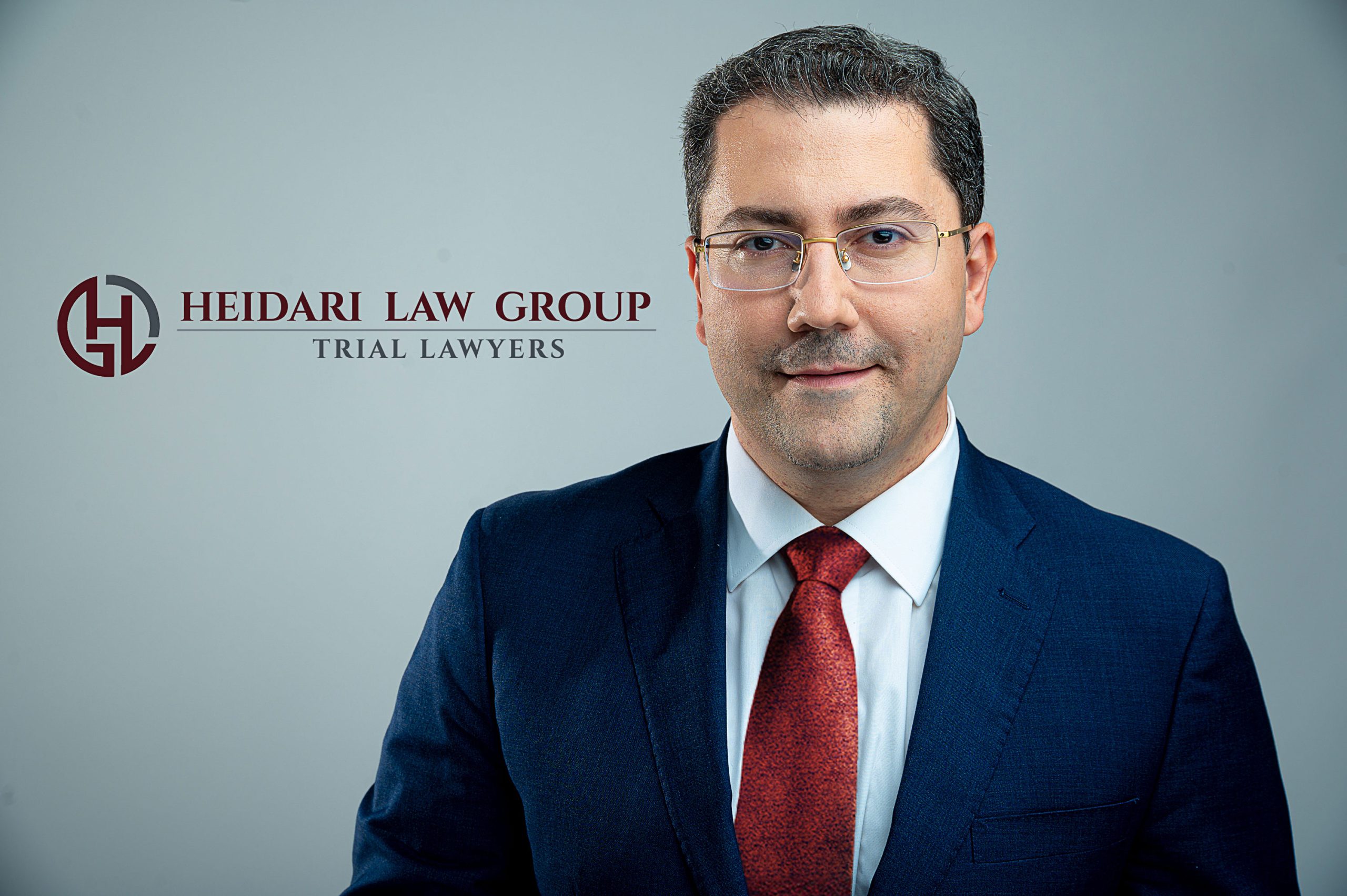
Sam Ryan Heidari
Sam Heidari is the founding principal of Heidari Law Group, a law firm specializing in personal injury, wrongful death, and employment law. Sam Heidari has been practicing law for over 11 years and handles a wide range of cases including car accidents, wrongful death, employment discrimination, and product liability. The Heidari Law Group legal firm is known for its comprehensive approach, handling cases from initial consultation through to final judgment. Sam Heidari is dedicated to community involvement and advocacy for civil liberties.
Contact Us
24/7 Free Case Evaluation
Serious Representation, Real Results
Los Angeles Office
3530 Wilshire Blvd. Suite 710 Los Angeles, CA 90010 Tel: 213-884-4881Fax: 213-884-4588
info@HeidariLawGroup.comIrvine Office
17875 Von Karman Ave. Suite 150 & 250 Irvine, CA 92614 Tel: 949-239-1020Fax: 949-239-1021
info@HeidariLawGroup.comSacramento Office
180 Promenade Cir Ste 300 Sacramento, CA 95834 Tel: 916-461-1818Fax: 916-461-9797
info@HeidariLawGroup.comBakersfield Office
3501 Mall View Rd Suite 105 Bakersfield, CA 93306 Tel: 661-409-0000Fax: 916-461-9797
info@HeidariLawGroup.comLas Vegas Office
611 S 6th Street Las Vegas, NV 89101 Tel: 702-722-1500Fax: 702-722-1600
info@HeidariLawGroup.com